Wondering why one Brewster home sells quickly at a strong price while another sits longer, even when they seem similar on paper? In this market, home values are shaped by more than square footage or bedroom count alone. If you are buying, selling, or just keeping an eye on your equity, it helps to understand the local factors that move pricing in Brewster. Let’s dive in.
Brewster values start with location
Brewster’s setting on Cape Cod Bay plays a big role in how buyers see value. The town is known for its beaches, ponds, conservation land, Nickerson State Park, and the Cape Cod Rail Trail, all of which add to its appeal. Brewster also lists 11 bay beaches, two freshwater beaches, and one town landing, which helps explain why homes near water or recreation areas often command more attention.
That said, not every “Brewster location” carries the same pricing power. Proximity to the bay, pond access, or easy access to outdoor amenities can shift buyer demand. In a town where lifestyle matters, convenience to those features often supports higher home values.
Seasonal demand shapes pricing
Brewster is not just a year-round market. The Cape Cod Commission estimates that more than 40% of the town’s housing units are seasonal, recreational, or occasional-use homes. That level of second-home and seasonal demand puts extra pressure on supply, especially for homes that fit the classic Cape lifestyle many buyers want.
This matters because demand does not come from only one type of buyer. Some people are looking for a full-time residence, while others are searching for a seasonal getaway or long-term family retreat. When multiple buyer groups compete for a limited number of homes, prices tend to stay elevated.
Limited supply supports home values
One of the biggest drivers of Brewster home values is simple: there are not many homes available relative to demand. As of the March 2026 local market update, single-family inventory was 19 homes and months of supply was 1.9. That points to a tight market where well-positioned homes can hold value well.
The supply picture is also shaped by the land itself. The Cape Cod Commission reports that more than one-third of Brewster’s land is protected for conservation, open space, recreation, and watershed management. That helps preserve the town’s character, but it also limits how much new housing can be added.
Lot size matters, but buildability matters more
In Brewster, a large lot can add value, but only if the lot is actually practical and usable. Residential zoning requires sizable minimum lot areas, including 100,000 square feet in R-R districts and 60,000 square feet in R-L and R-M districts, along with frontage and yard requirements. On paper, that makes land an important part of value.
Still, acreage alone does not tell the full story. Brewster’s area regulations also require a 50-foot setback from water bodies, watercourses, and wetlands, and the Building Department notes that buildability cannot be confirmed without permit review. So when buyers and sellers compare properties, the real question is not just lot size, but how much of that lot is usable and flexible.
Why constrained lots can price differently
Two homes with similar square footage can have different values if one sits on a more buildable lot. A parcel with fewer site constraints may offer better expansion potential, easier siting, or fewer hurdles for future improvements. A constrained lot may still be attractive, but buyers often weigh those limitations carefully.
That is especially important in Brewster because multifamily housing is not allowed by-right anywhere except the Bay Property Overlay District, according to the Cape Cod Commission profile. In a town with limited flexibility for many parcels, usable land carries real weight in pricing.
Older housing stock makes condition important
Brewster’s housing stock tends to be older. The Cape Cod Commission says most homes were built between 1950 and 1999, and only about 12% were built after 2000. It also reports that roughly 75% of residential properties are single-family homes.
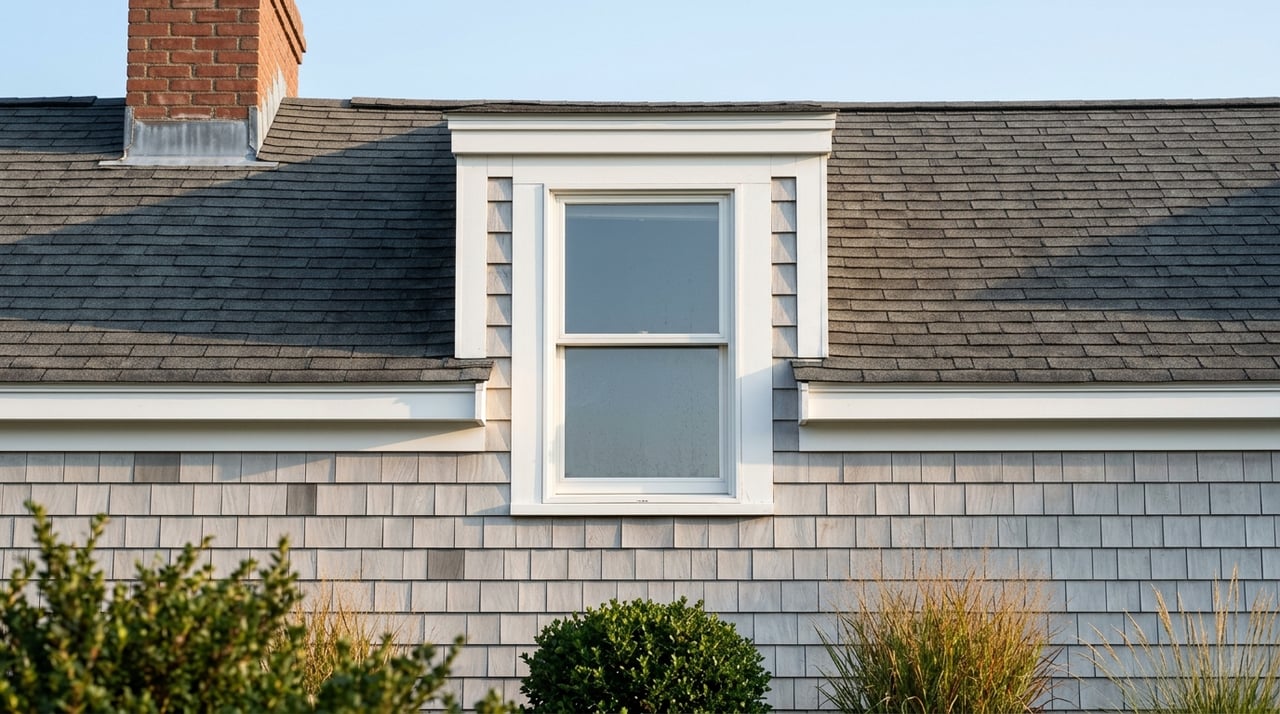
For buyers, that means condition, maintenance, and layout can strongly influence what a home is worth. For sellers, it means updates and upkeep can have a meaningful impact on buyer interest. In many cases, a smaller home that feels well cared for and move-in ready can compete well against a larger property that feels dated or functionally awkward.
Updates buyers tend to notice
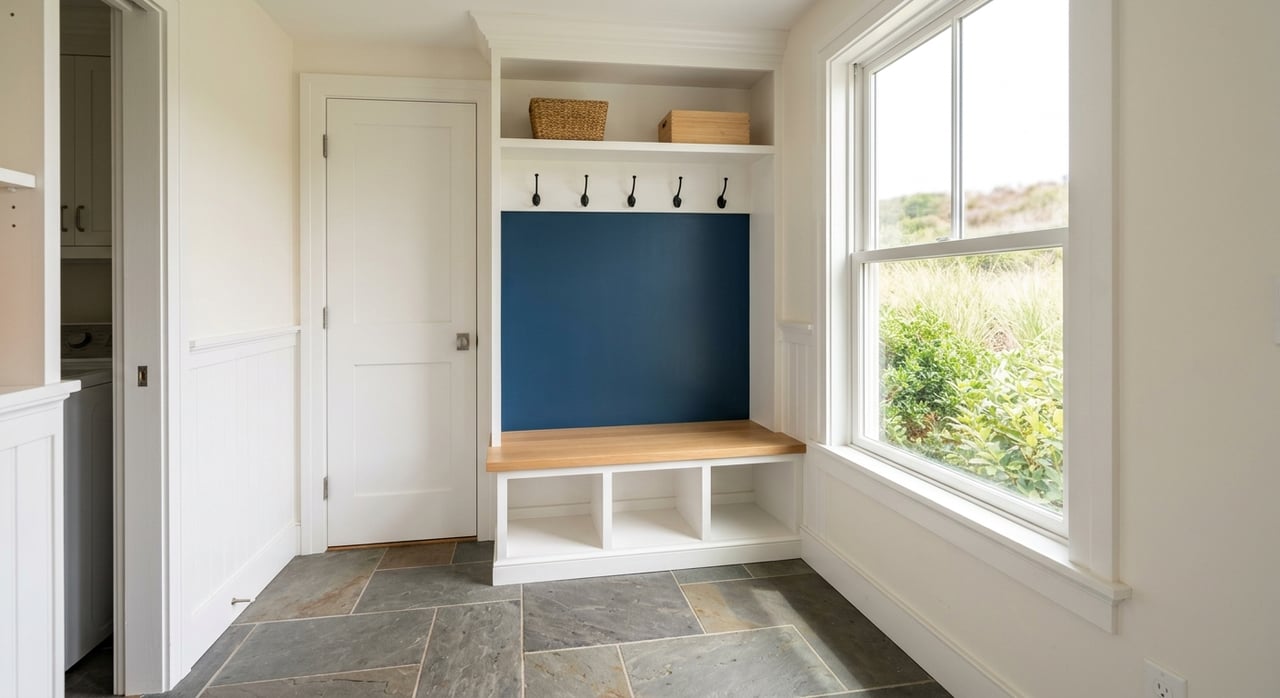
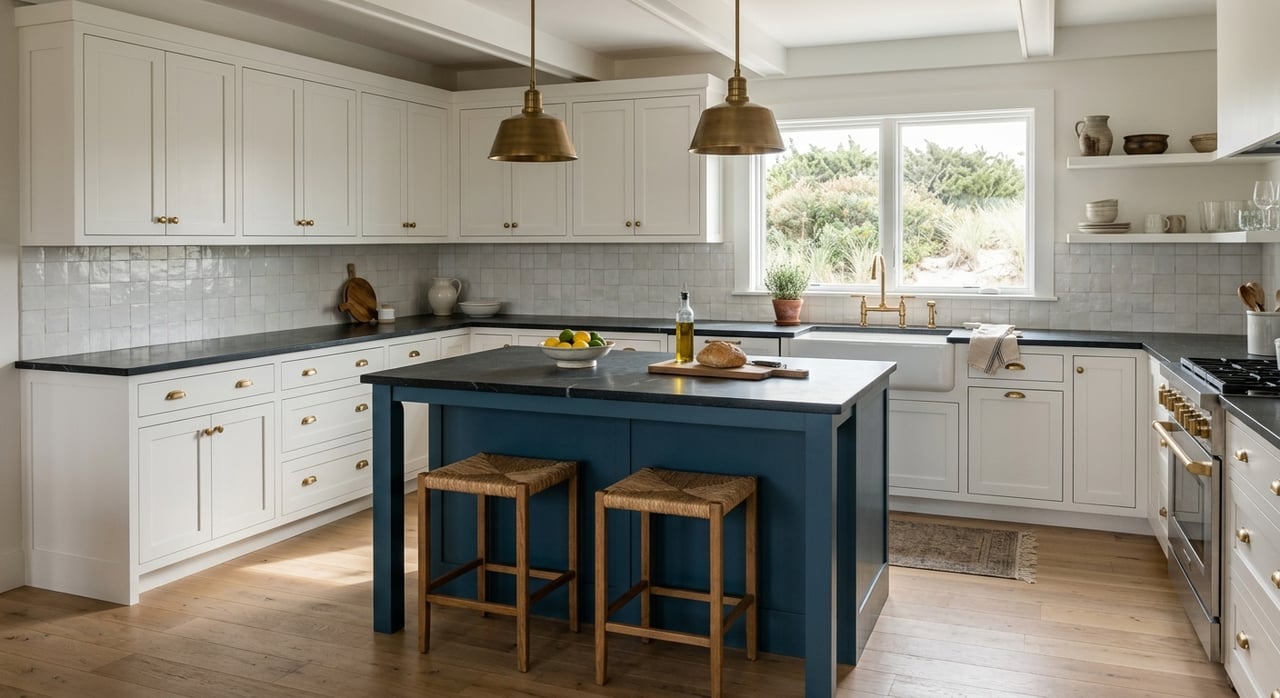
In an older housing market, buyers often pay close attention to how a home lives day to day. They are not just looking at cosmetic finishes. They are also noticing whether the layout feels practical, whether maintenance appears current, and whether the property feels easy to own.
That does not mean every home needs a full renovation to sell well. It means homes that present clearly, function well, and show consistent care often have an advantage. In Brewster, value is frequently tied to the full package, not just the size of the house.
Recent sales show a strong market
The data points to a high-price, supply-limited market in Brewster. The March 2026 local market update shows the single-family year-to-date median sales price at $787,500, up 19.9% from $656,700 during the same period in 2025. Sellers received 96.0% of original list price on average, which suggests buyers are paying close to ask when homes are priced in line with the market.
It is also worth keeping the numbers in context. The same report notes that one-month activity in Brewster can look dramatic because the sample size is small. In March 2026, only three single-family homes closed, which is why year-to-date and rolling 12-month data are more useful than any single month.
Why median price can vary by report
You may see different median prices depending on the source and time frame. The Cape Cod Commission profile lists Brewster’s median home sales price at $685,000 in 2024 and $701,000 in 2025, while the March 2026 year-to-date figure was higher. That does not necessarily mean the data conflicts. It usually means the reporting window is different.
In a smaller market like Brewster, a few higher-priced or lower-priced sales can shift the median more than they would in a larger town. That is why interpreting pricing trends requires local context, not just one headline number.
Price bands affect speed of sale
Across Cape Cod, price point can influence how quickly homes move. According to the CCIAOR first-quarter 2026 report, listings under $1 million averaged 34.4 days on market, while $1 million-plus listings averaged 77 days on market. That suggests demand remains especially strong in lower price bands relative to the broader upper-end market.
For Brewster sellers, this can help set expectations. A well-priced home under $1 million may attract faster action, while a higher-priced home may need more patience and a sharper pricing strategy. For buyers, it is a reminder that competition can be strongest where affordability is already stretched.
Affordability affects who can buy
Brewster remains expensive relative to local incomes. The Cape Cod Commission profile shows median household income in 2024 at about $103,317, while roughly $210,000 in annual income was needed to afford the median-priced home. That gap helps explain why the market often leans toward higher-income buyers and second-home demand.
This affordability pressure does not just affect first-time buyers. It also shapes the buyer pool, the pace of demand, and how sellers should think about pricing. In other words, value in Brewster is supported not only by lifestyle appeal, but also by who can realistically compete for available homes.
How buyers should read Brewster comps
If you are buying in Brewster, broad town-wide comparisons can be misleading. The best comparable sales should line up closely on location, lot size, age, condition, access to beaches or ponds, and buildability. In a town where a constrained parcel and a more usable parcel can perform very differently, narrow comps matter.
A higher asking price may still make sense if a home has a better setting, superior lot utility, or fewer site restrictions. On the other hand, a home that looks similar online may deserve a lower value if it has more limitations. That is why local analysis matters so much here.
How sellers should think about pricing
If you are selling, the goal is not to chase the highest number in town. The better strategy is to position your home against the right comparable sales and the realities of your lot, location, and condition. In Brewster, overpricing can lead to more days on market and weaker leverage later, especially when the number of monthly sales is small.
The 96.0% average sale-to-original-list-price figure in Brewster’s March 2026 year-to-date data is a useful signal. Buyers are paying close to asking price when the home is priced appropriately from the start. That is usually a better outcome than aiming too high and adjusting downward later.
The bottom line on Brewster home values
Brewster home values are driven by a mix of coastal appeal, limited supply, lot utility, older housing stock, and a buyer pool that includes both year-round and seasonal demand. In this market, value comes from the intersection of setting, condition, and constraints. Square footage matters, but it is rarely the whole story.
If you want to understand what your home may be worth, or what a specific Brewster property is really worth before you make an offer, local context makes all the difference. That is where clear, town-by-town guidance can help you make a smart and confident move.
If you want a practical read on Brewster pricing, comps, and what buyers are responding to right now, connect with Robert Bantick. Let’s make your next move, together.
FAQs
What is driving home values in Brewster right now?
- Brewster home values are mainly being driven by coastal location, limited housing supply, seasonal and second-home demand, lot buildability, and the condition of an older housing stock.
Why are some Brewster homes worth more than similar-sized homes?
- In Brewster, homes can vary in value based on lot utility, proximity to beaches or ponds, access to recreation, site constraints, and overall condition, not just square footage.
How important is lot size in Brewster home pricing?
- Lot size matters, but usable and buildable land matters more because zoning, setbacks, wetlands, and other site conditions can affect what a buyer can do with the property.
Are Brewster home prices still rising?
- Brewster’s March 2026 year-to-date data showed a median single-family sale price of $787,500, up 19.9% from the same period in 2025, though small sample sizes mean longer reporting windows are more reliable.
Why should buyers use narrow comps in Brewster?
- Buyers should use narrow comparable sales in Brewster because homes with similar size can have very different values depending on location, lot characteristics, condition, and buildability.
What should sellers know about pricing a home in Brewster?
- Sellers should know that accurate pricing matters because buyers in Brewster have been paying close to asking price for well-priced homes, while overpricing can lead to a longer time on market.