Buying in Eastham is not just about finding a house you like. It is about understanding the lot, the water source, the septic system, and how coastal living shapes day-to-day life. If you are thinking about buying here, a little local homework upfront can help you avoid expensive surprises later. Let’s dive in.
Eastham Homes Have a Distinct Feel
Eastham is a small Outer Cape market with a housing mix that looks different from many suburban areas. According to the Cape Cod Commission’s March 2026 housing profile, 88% of residential properties are single-family homes, more than half of housing units are seasonal, recreational, or occasional use, and the 2024 median home sale price was $795,000.
That matters because what you find in Eastham is often shaped by seasonal use, coastal land constraints, and older housing stock. In many cases, the real value question is not just the kitchen or the paint color. It is how the property works for your plans year-round.
Expect Older Housing Stock
Most Eastham homes were built between 1950 and 1999. The town’s historic survey describes a pattern of small summer cottages, cabin colonies, and retirement homes, often on tiny lots and narrow dirt lanes.
For you as a buyer, that can mean charm and Cape character. It can also mean you should look closely at updates, layout, storage, parking, and how well the home has been adapted for modern living.
Common Eastham Home Styles
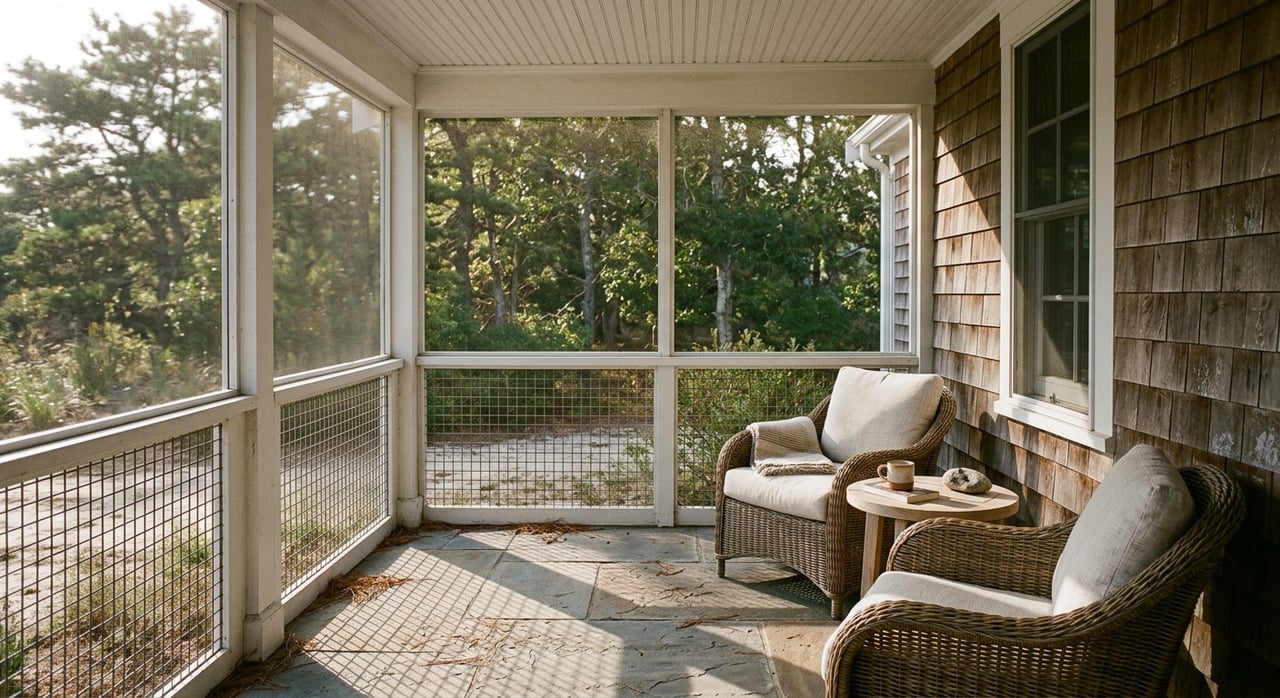
You are likely to see more modest, resort-era homes than large newer subdivisions. The local historic survey notes mid-century resort houses, cottage colonies, Craftsman-style cottages with porches and screened areas, and some Dutch Colonial Revival owner houses in former cabin-colony settings.
If you are coming from an off-Cape market, it helps to reset expectations a bit. In Eastham, location, lot function, and systems often matter more than sheer square footage.
Lot Size Matters More Than You Think
A lot that looks fine at first glance may come with tradeoffs that affect daily life. The Cape Cod Commission classifies much of Eastham’s residential stock as small- or extra-small-lot homes, which lines up with the town’s description of tiny lots and narrow lanes.
That can affect where you park, where you store beach gear, whether you have room for an outdoor shower area, and how private the yard feels. If you are used to larger suburban lots, this is one of the first adjustments to make when shopping in Eastham.
Check Zoning Before Assuming Expansion
Eastham’s zoning bylaw includes districts with minimum lot sizes as large as three acres, along with frontage requirements and rules for older lots that may predate earlier bylaws. Because of that, you should not assume an addition, shed, accessory structure, or redevelopment plan will be simple.
Before you buy, confirm whether the lot is conforming, nonconforming, or grandfathered. That single question can shape what you can do with the property later.
Water Questions Should Come Early
One of the biggest Eastham-specific questions is whether the home is on municipal water or a private well. The town’s water system is phased, and many homes can connect now, but owners are responsible for bringing the water connection from the road to the dwelling.
That means a home listed near town water may still involve additional work and cost before the house is actually connected. You want clarity on what is already done, what is available, and what still falls on the property owner.
Ask These Water Questions
- Is the home on municipal water, a private well, or scheduled for a future hookup?
- If town water is available, has the connection from the road to the house already been completed?
- If not, what work remains, and who would handle the contractor and plumbing scope?
- If the home is still on a well, when was the last required water test completed for a real estate transaction?
- If the home is connecting to town water, will the existing well stay in use for irrigation only?
The town also states that once a home is hooked up to municipal water, well water may not be used inside the dwelling. That is an important detail if you are comparing homes with different utility setups.
Septic Is a Major Part of the Decision
As of the town’s current septic guidance, all homes in Eastham are served by private septic systems. Some homes require innovative or alternative systems, cesspools are no longer permitted, and septic tanks should be pumped every three to five years depending on use.
In practical terms, that means your inspection and due diligence should go beyond the house itself. You want a clear picture of the system type, condition, maintenance history, and any upgrade needs.
Wastewater Changes Are Worth Watching
Eastham approved construction of a wastewater treatment facility and collection system on June 23, 2025. Work is expected to begin in 2026 and continue for up to three years.
If you are buying now, ask whether the property may be affected by future sewer construction or assessments. Even if the house works well for you today, planned infrastructure can still influence future costs and planning.
Ask These Septic Questions
- What type of septic system is installed?
- When was it last pumped and inspected?
- Is the system conventional, innovative/alternative, or something older that may need upgrading?
- Is there any cesspool history tied to the property?
- Could this parcel be affected by planned wastewater collection work or future assessments?
Year-Round Use Is Not a Given
Because Eastham includes many homes that started as summer cottages, year-round livability is something you should confirm, not assume. A charming seasonal property may have been winterized later, but the quality and extent of those updates can vary.
This is especially important if you plan to use the home full-time, visit during colder months, or host family outside the summer season. A home that feels perfect in July may function very differently in January.
Look Closely at Practical Upgrades
Ask whether the home was originally seasonal and what improvements were made over time. Focus on insulation, heating, windows, moisture control, and winterization work.
Those details help you understand comfort, maintenance, and operating expectations. They also give you a better sense of whether the house fits your actual lifestyle, not just your summer-day vision.
The National Seashore Shapes Daily Life
The Cape Cod National Seashore covers about one-third of Eastham’s land mass, according to the town’s historic survey. The park is open year-round, with some visitor facilities operating seasonally, and Eastham’s Salt Pond Visitor Center serves as a year-round orientation point.
For many buyers, that access to trails, open space, and beaches is a huge part of Eastham’s appeal. At the same time, it can shape traffic patterns, parking routines, and seasonal activity in ways that are worth understanding before you buy.
Seasonal Swings Are Real
Because more than half of Eastham’s housing units are seasonal and the National Seashore is most popular from June through September, it is reasonable to expect noticeable seasonal changes in traffic, parking pressure, and overall neighborhood activity.
That does not make Eastham less appealing. It simply means your experience may look very different in February than it does in August.
Beach Access Is Not One-Size-Fits-All
Beach passes in Eastham can be confusing if you do not ask the right questions. Town beach passes and Cape Cod National Seashore access are separate systems, and Eastham notes that town day passes are not valid at National Seashore beaches and vice versa.
The town also states that taxpayer stickers are valid at Nauset Light Beach and Coast Guard Beach. Since sticker programs run on an annual fiscal-year cycle, buyers should verify current rules rather than assume prior-year details still apply.
Coast Guard Beach Has Seasonal Rules
From mid-June through Labor Day, parking at Coast Guard Beach is restricted to Eastham residents and vehicles with handicap placards. The primary parking area is at Little Creek, where a shuttle takes visitors to the beach.
If beach access is high on your priority list, this is the kind of local detail that matters. A home that seems “close to the beach” on paper may still involve a different summer routine than you expect.
Coastal Exposure Deserves Extra Attention
If a property is near the ocean, marshes, or bluffs, the view is only one part of the story. The National Park Service notes seasonal closures for shorebird and tern nesting areas at Nauset Marsh and Coast Guard Beach from April 1 through October 15, along with pet restrictions in signed areas.
The park also notes that shoreline erosion has forced multiple parking lots to be moved and that bluff erosion threatens infrastructure. For buyers, that makes site exposure, drainage, flood maps, and erosion history especially important conversation points.
Your Eastham Buyer Checklist
When you tour homes in Eastham, it helps to stay focused on the issues that affect ownership most. Cosmetic updates are easy to notice. The real questions are often behind the walls or outside the house.
Use this simple checklist as you narrow your options:
- Confirm whether the home is on town water, well water, or awaiting hookup
- Ask about required water testing and connection responsibilities
- Review septic type, age, pumping history, and inspection status
- Check whether the lot is conforming, nonconforming, or grandfathered
- Ask about frontage, setbacks, and limits on additions or accessory structures
- Look at parking, storage, and outdoor space with small-lot living in mind
- Verify whether the home was originally seasonal and what year-round upgrades were made
- Understand beach pass systems, seasonal parking rules, and pet restrictions if relevant to your routine
- Ask whether the property may be affected by future wastewater construction or assessments
- Pay close attention to erosion, drainage, and flood exposure near coastal or marsh areas
Buy With the Right Lens
In Eastham, the smartest buying decisions usually come from looking past surface finishes and focusing on how the property functions. Water, septic, zoning, lot size, seasonal access, and coastal exposure all play a bigger role here than many buyers expect.
That is where local guidance can really help. When you understand the town-specific details early, you can move forward with more confidence and a lot less stress.
If you want a practical, local perspective as you search in Eastham, Robert Bantick can help you sort through the details and focus on the homes that truly fit your goals. Let’s make your next move, together.
FAQs
What should buyers know about Eastham home prices?
- According to the Cape Cod Commission’s March 2026 housing profile, the 2024 median home sale price in Eastham was $795,000.
What types of homes are most common in Eastham?
- Eastham’s housing stock is mostly single-family homes, and much of it was built between 1950 and 1999, including many small cottages and resort-era homes.
What should buyers ask about water service in Eastham?
- You should ask whether the home is on municipal water or a private well, whether a town water hookup is available or complete, and when any required water testing was last done.
What should buyers ask about septic systems in Eastham?
- You should ask what type of system is installed, when it was last pumped and inspected, whether there is any cesspool history, and whether future wastewater work may affect the property.
Why does zoning matter when buying in Eastham?
- Eastham zoning can affect whether a lot is conforming, nonconforming, or grandfathered, which may influence additions, accessory structures, and future redevelopment plans.
How does the Cape Cod National Seashore affect Eastham living?
- The National Seashore shapes access to beaches and trails, and it can also influence seasonal traffic, parking, wildlife closures, and erosion-related concerns near coastal properties.
What should buyers know about beach access in Eastham?
- Buyers should know that town beach passes and National Seashore access are separate systems, and some beaches, including Coast Guard Beach, have seasonal parking rules that affect summer use.
Are all Eastham homes set up for year-round living?
- No. Because many properties began as seasonal cottages, you should ask what insulation, heating, window, moisture-control, and winterization upgrades were made for year-round use.