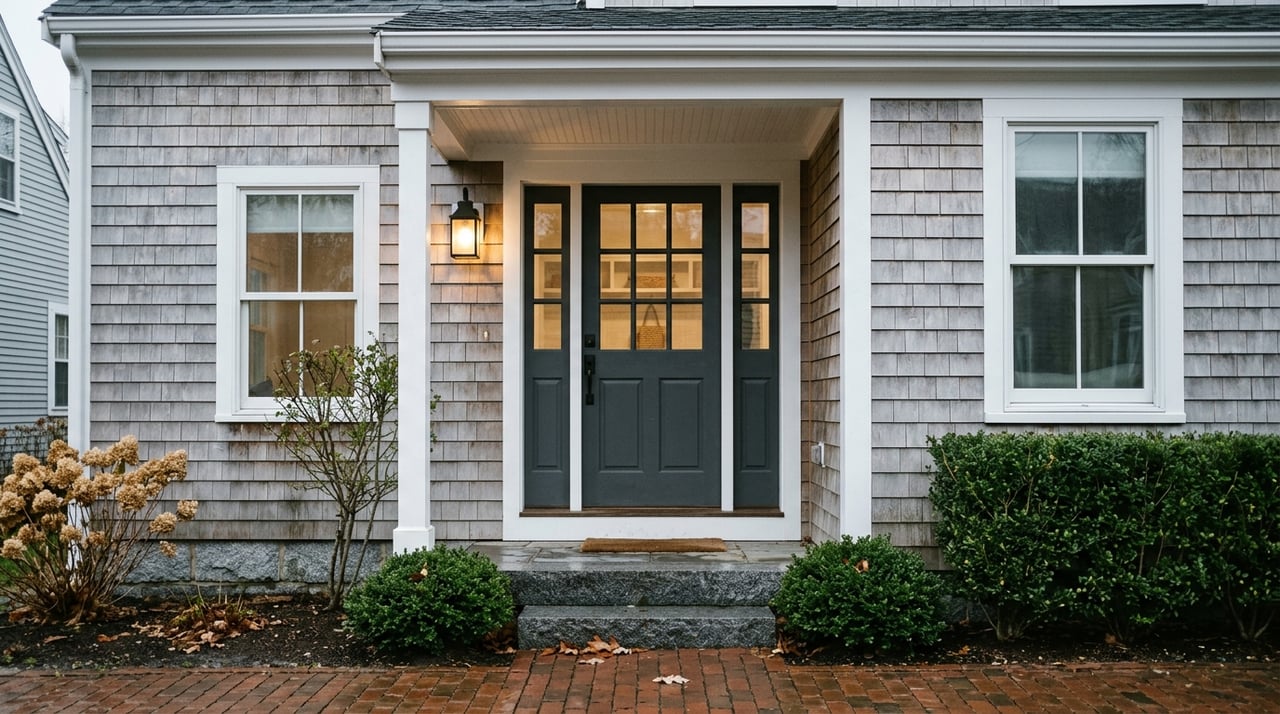
Thinking about living in Provincetown full-time? It can be an incredible fit if you love a compact coastal town, a strong sense of place, and an active local rhythm beyond summer. It can also come with real tradeoffs, especially around housing supply, seasonal crowds, and weather-sensitive access. If you want a clear picture of what year-round life here actually looks like, this guide will help you think through the day-to-day realities. Let’s dive in.
Provincetown feels different in every season
Provincetown has a small permanent community and a much larger seasonal footprint. Town housing materials describe about 3,600 residents and roughly 2,000 households as of 2022. During July and August, the town’s 2024 emergency plan says the daytime population rises to about six times the permanent resident population, while nighttime population is about four times higher.
That matters because year-round living here is not just about winter weather. It is also about learning the town’s seasonal rhythm. You get a place that stays culturally active all year, but the pace, crowd levels, and day-to-day feel shift a lot between peak season and the quieter months.
Year-round life is tied to a seasonal economy
Provincetown’s economy still connects closely to the visitor season. The 2025 housing needs report says accommodation and food services and retail trade are the largest industries, and many of those jobs are seasonal. The harbor also remains a major part of daily life, serving the fishing fleet, shellfish growers, passenger ferries, excursion vessels, and recreational boaters.
For you as a buyer, this means the town stays active, but not in the same way every month. Some businesses and services may feel busier or more limited depending on the season, and the overall energy of town can change noticeably from summer to winter.
Weather matters, but access matters more
Provincetown’s climate is milder in summer than inland New England, but winter can still feel cool and windy. A climate summary based on weather reports collected from 1992 to 2021 shows an average July high of 78°F, a January average high of 39°F, a January mean of 33°F, and winter wind around 25 to 26 mph.
The bigger lifestyle factor is how weather can affect access. Provincetown’s emergency plan highlights winter storms, hurricanes, coastal flooding, strong winds, and high seas. It also notes that some low-lying areas around Snail Road, Bradford Street near Town Hall, and Route 6A can become impassable during flooding.
Because Provincetown sits at the end of the Cape, it functions as a terminal destination. Route 6 is the primary access route into and out of town. If you are used to a more typical suburban commute pattern, that is something to think through carefully before you buy.
Housing is the biggest challenge
For many buyers, the hardest part of year-round living in Provincetown is simply finding the right home. The UMass Donahue Institute report says about 56 percent of housing is seasonally vacant, and the town has about 5,000 total housing units. Demand comes from year-round residents, vacation-home buyers, short-term rentals, and seasonal workers.
Prices also reflect that pressure. The same report says 2023 median sale prices were more than $2.068 million for single-family homes and more than $806,000 for condominiums. Provincetown also has three competing housing demands at once: year-round housing for residents, vacation homes and short-term rentals, and housing for seasonal workers.
The physical housing supply is limited too. Provincetown spans about 10 square miles, but only about a quarter is buildable. The report also says occupied housing is more than 75 percent owner-occupied, with owner-occupied units mainly two- and three-bedroom homes, while renter-occupied housing is primarily one-bedroom units.
Focus on the right search filters
If you are serious about living in Provincetown full-time, your home search needs to be practical from the start. In this market, the most useful filters are often not just price and bedroom count. They are the details that affect daily comfort and long-term fit.
Key items to review include:
- Year-round use status
- Parking
- Winterization
- Flood exposure
- Unit size and layout
These filters can save you time and help you compare homes more realistically. A property that looks appealing in summer may feel very different once you factor in winter conditions, storage, access, and everyday living needs.
Year-round inventory stays tight
The town has been working to preserve year-round housing, which tells you a lot about how tight supply is. Provincetown’s housing developments page says 269 units are deed-restricted to year-round use. Harbor Hill includes 28 year-round rental apartments and is at full occupancy, and the town’s June 2026 Province Post announcement says a new community adds 65 year-round apartments.
Even with those efforts, demand remains high. The 2025 housing needs report says there were 748 local applicants on rental waitlists, with roughly four local people waiting for each deed-restricted rental unit. If you are entering this market, it helps to be prepared, decisive, and clear about your must-haves.
Daily errands can be simple
One of Provincetown’s biggest strengths is that many everyday needs are concentrated in a small core. The town’s tourism office highlights restaurants, shops, beaches, and art galleries, while the commercial core centers much of its activity along Commercial Street. That setup can support a car-light lifestyle for some residents.
There are also important year-round services in town. The library is open year-round with weekend hours, Outer Cape Health Services’ Provincetown Health Center has weekday and Saturday hours, and public schools serve PK-8 in Provincetown. High school students are part of the Nauset Regional School District.
If you want a place where you can stay close to daily essentials and enjoy a more walkable pattern of living, Provincetown may check that box better than many other Cape locations.
Transportation is available, but different
Provincetown is connected, but not in a mainland-suburban way. The town says scheduled ferry service runs daily between MacMillan Wharf and Boston’s World Trade Center and Long Wharf, with about a 90-minute trip. Provincetown Municipal Airport is also open daily, and Cape Air operates nonstop flights to Boston, with three flights per day each way in the off-season and more frequent weekend service in summer.
CCRTA fixed routes also serve Provincetown, including the FLEX route and the Provincetown Shuttle. That gives you more transportation options than many people expect. Still, day-to-day logistics here work best when you understand that travel can be shaped by season, weather, and the town’s remote location.
Provincetown can be a great fit for the right buyer
Year-round life in Provincetown usually works best if you value walkability, harbor access, a strong arts and cultural identity, and a town that stays active outside peak summer. It can be especially appealing if you want a compact setting with a very distinct local character.
It may be a tougher fit if you want broad housing inventory, a straightforward mainland commute, or a low-season environment that feels unchanged year-round. Smaller homes, seasonal crowds, and occasional weather-driven disruption are part of the package here.
What to think through before you buy
Before you make a move, it helps to ask yourself a few honest questions about lifestyle and expectations. The goal is not to talk yourself out of Provincetown. It is to make sure your home search matches how you actually want to live.
Consider questions like these:
- Do you want to live in a compact, active town year-round?
- Are you comfortable with limited housing supply and strong competition?
- Would weather-sensitive access create stress for your work or travel needs?
- Do you prefer walkability and proximity to town amenities over more space?
- Are you prepared for seasonal shifts in population and pace?
If your answers lean yes, Provincetown may be a very strong match. If not, it may still be worth comparing it with other Outer Cape towns so you can find the best fit for your priorities.
Why local guidance matters here
Provincetown is one of those markets where broad Cape Cod advice is not enough. The details matter, from year-round status and flood exposure to parking, layout, and how a property functions in the off-season. What looks simple on a listing can feel very different once you match it against daily life.
That is where local, town-by-town guidance can make the process much smoother. If you want help sorting through Provincetown’s housing options and understanding how they compare with other Cape towns, Robert Bantick can help you move forward with a clear, low-stress plan.
FAQs
What is year-round living in Provincetown really like?
- Year-round living in Provincetown means being part of a small permanent community in a town that becomes much busier in summer, with noticeable seasonal changes in pace, population, and daily activity.
How hard is it to find year-round housing in Provincetown?
- Finding year-round housing in Provincetown can be challenging because supply is limited, about 56 percent of housing is seasonally vacant, and demand comes from full-time residents, vacation-home buyers, short-term rentals, and seasonal workers.
What should buyers look for in a Provincetown home?
- Buyers looking at Provincetown homes for full-time living should pay close attention to year-round use status, parking, winterization, flood exposure, and unit size.
Is Provincetown easy to commute to from the rest of Cape Cod?
- Provincetown is accessible, but it is a terminal destination at the end of the Cape, and Route 6 is the main road in and out, so weather and seasonal conditions can affect travel more than in many other towns.
Can you live in Provincetown without driving everywhere?
- Some residents can enjoy a car-light lifestyle in Provincetown because many shops, services, restaurants, and public buildings are concentrated in a compact, walkable core.
Who is Provincetown a good fit for?
- Provincetown is often a strong fit for buyers who want a walkable harbor town, active cultural life, and a distinct Cape Cod setting, and who are comfortable with smaller inventory, seasonal crowds, and occasional weather-related disruption.