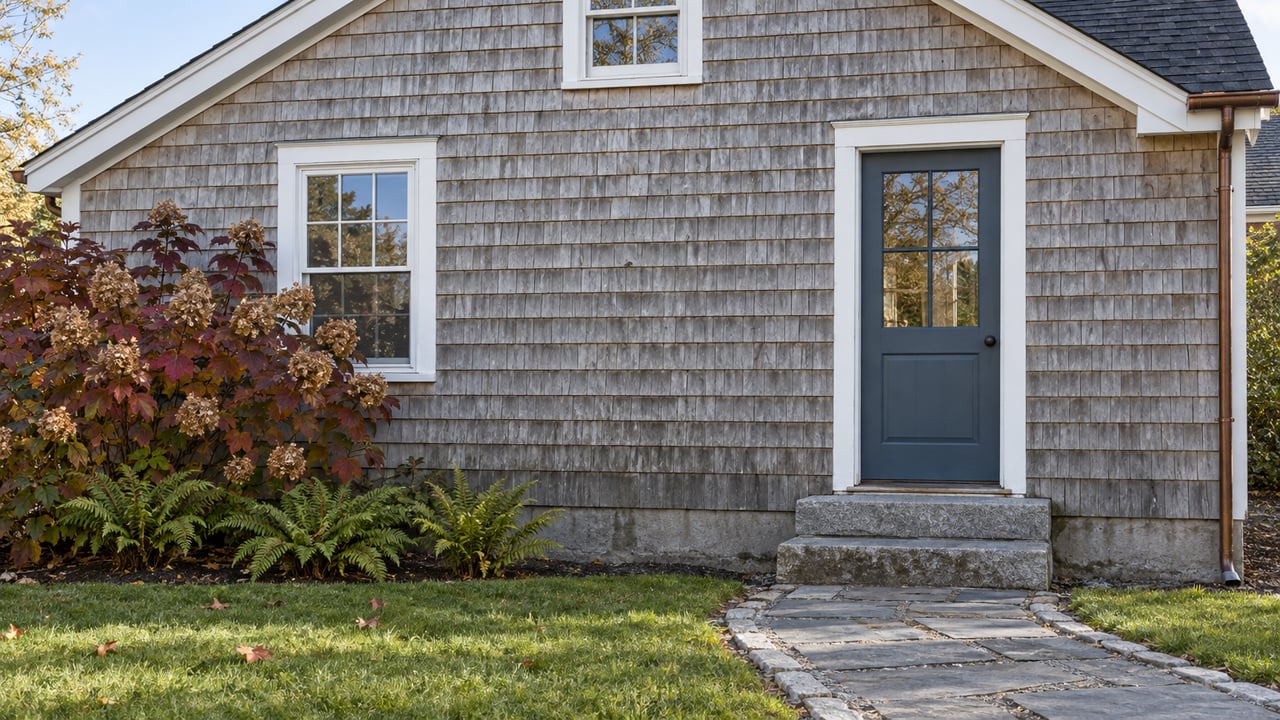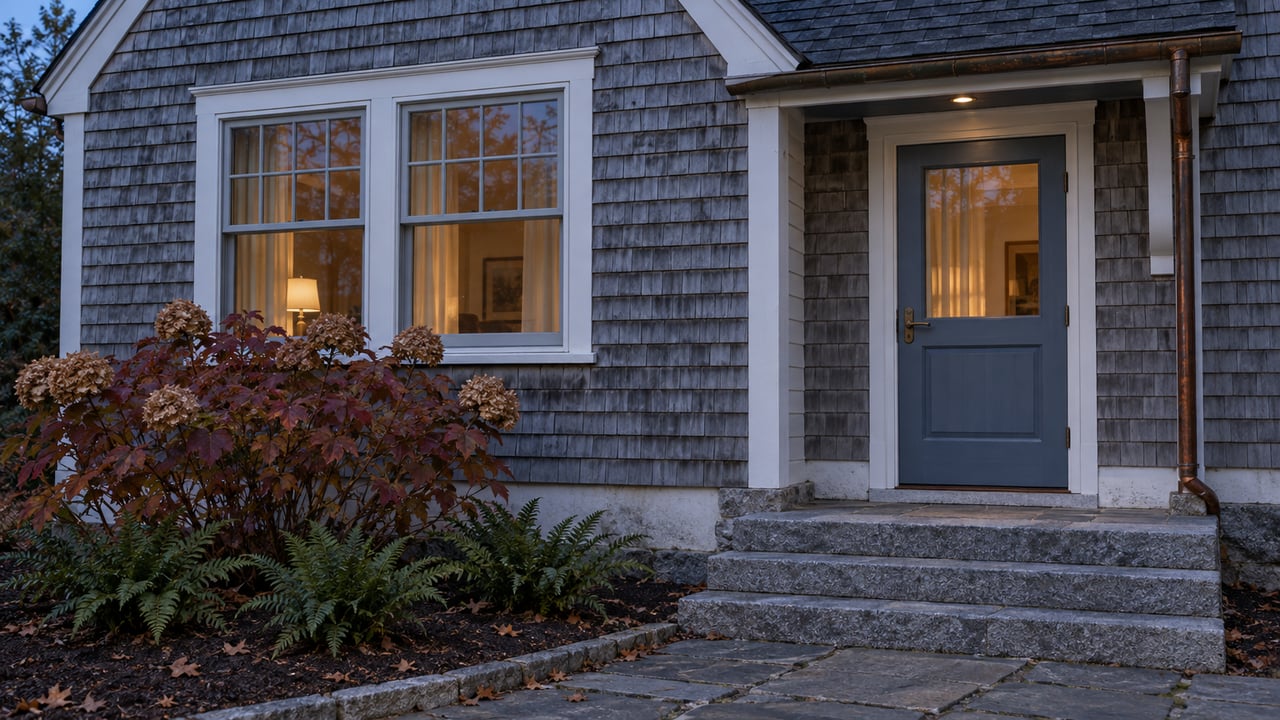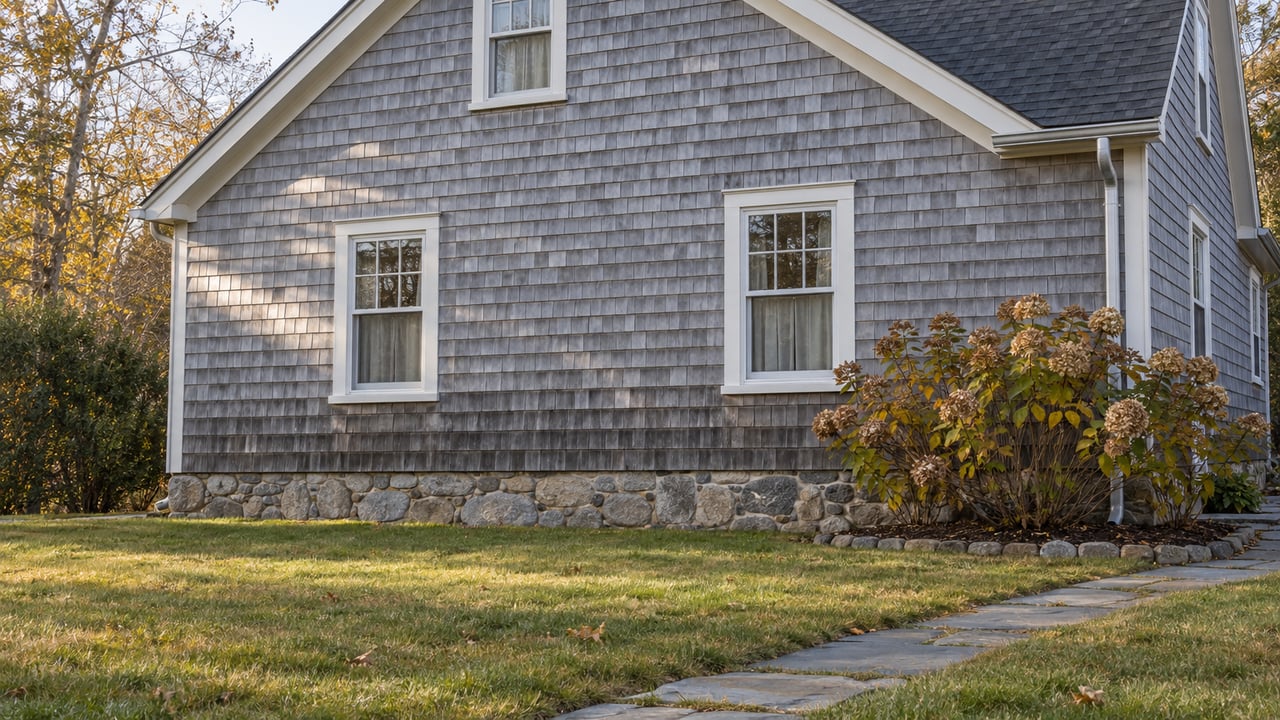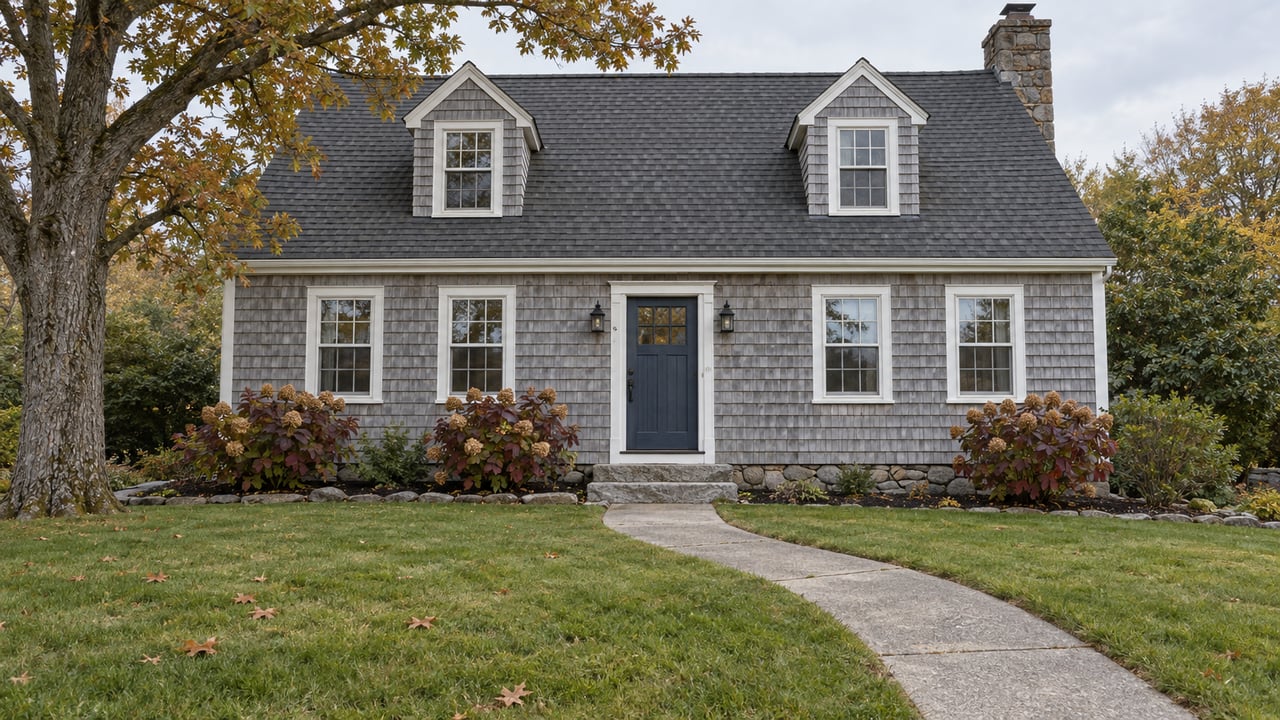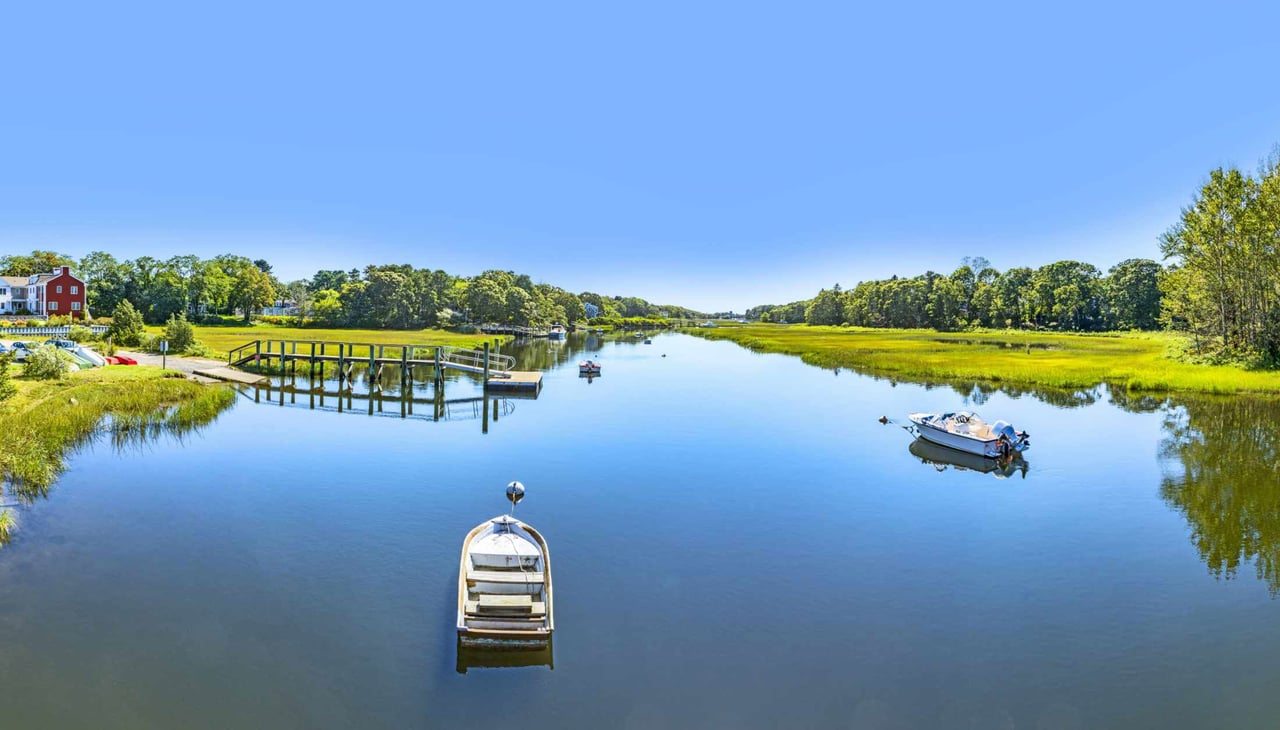
Most people meet Harwich in July, when the beach lots fill by nine and the ice cream line runs out the door. But Bobby Bantick will tell you the Harwich worth buying into is the one you see in February — the year-round town underneath the summer one. If you're weighing a move to the Lower Cape, the real question isn't what Harwich is like in season. It's what it's like the other nine months, when the visitors leave and the people who actually live here get their town back.
What is Harwich like to live in year-round?
Quiet, walkable in pockets, and more self-sufficient than most Cape towns its size. Harwich holds roughly the full range of Cape living in one place: a working harbor in Harwich Port, a traditional town center, and the woodsy, pond-dotted stretches of East and West Harwich. Unlike the towns that empty out completely after Labor Day, Harwich keeps a real off-season pulse — the grocery stores, the library, the schools, and the year-round restaurants stay open because enough people are here to keep them running.
That matters more than buyers expect. A town that only functions in summer means a long, dark winter of driving elsewhere for basics. Harwich isn't that. It's a place where the off-season is the point, not the penalty.
Which part of Harwich should you live in?
It depends on what you want your daily life to look like, and Harwich gives you three distinct answers. Harwich Port puts you closest to the water, the harbor, and a walkable cluster of shops and restaurants — it's the most "town" of the three and commands a premium for it. The main Harwich village around the center is the practical heart: schools, services, and the widest range of price points. West and East Harwich trade some walkability for space, ponds, and quieter roads, and tend to stretch a buyer's dollar the furthest.
None of these is the "right" one. They're three different lives, and the honest work of buying here is figuring out which one fits how you actually spend a Tuesday.
What does it cost to buy a home in Harwich?
More than buyers hope, less than the flashier towns nearby. Single-family homes in Harwich have generally centered in the mid-$800,000s, with plenty trading well below and well above depending on location and water proximity. The town's condos are the genuine entry point — often landing near the low-$400,000s — which makes Harwich one of the more accessible ways onto the Lower Cape for a first Cape home or a lock-and-leave second home.
The spread is wide, and that's the opportunity. A modest inland ranch and a Harwich Port home near the water are the same town on paper and completely different purchases in practice. Knowing where the value sits is the whole game.
Is Harwich a good place to live if you're not retired?
Yes, and increasingly so. The old story of Cape Cod as a retirees-and-summer-people town is fading, and Harwich is part of why. Remote and hybrid work has brought younger year-round households who want the off-season quiet without giving up a functioning community. Harwich supports that better than towns built purely around seasonal tourism — there's enough year-round infrastructure to raise a family, run a business, or simply live a normal life that doesn't pause every September.
Bobby's honest take
Harwich is the town I point people toward when they want the real Cape without paying the Chatham premium or accepting the summer-only isolation of the smaller villages. It gives you range — water or woods, walkable or private, entry-level or estate — inside one town's borders. That range is exactly why it rewards local knowledge. The difference between a smart Harwich buy and an expensive mistake is rarely the town; it's the street, the village, and how close you are to the things that make the off-season livable.
If you're picturing a life here and not just a vacation, Harwich is one of the soundest bets on the Lower Cape. Just come see it in the off-season before you decide. That's the version you'll actually live in.
The bottom line
Living in Harwich year-round means trading the summer crowds for a town that keeps working after they leave — three distinct village characters, a real off-season community, and a price range wide enough to fit more budgets than most Cape towns. It's not the cheapest place on the Cape and it's not the showiest. It's one of the most livable. If that's what you're after, it's a conversation worth having with someone who watches this town in every season.
Frequently Asked Questions
Is Harwich MA a good place to live year-round?
Yes. Harwich keeps a genuine off-season community with year-round grocery stores, schools, a library, and open restaurants, unlike Cape towns that empty out after Labor Day. It offers a functional, livable town the full twelve months, not just in summer.
What are the different villages in Harwich?
Harwich includes Harwich Port (closest to the harbor and most walkable), the main Harwich village and town center (the practical hub with schools and services), and West and East Harwich (quieter, more spacious, and often more affordable). Each offers a distinctly different day-to-day lifestyle.
How much does a house cost in Harwich MA?
Single-family homes in Harwich have generally centered in the mid-$800,000s, with a wide range above and below depending on location and water proximity. Condos are the most accessible entry point, frequently landing near the low-$400,000s.
Is Harwich only for retirees and summer residents?
No. While the Cape has long drawn retirees and seasonal residents, Harwich has increasingly attracted younger year-round households, helped by remote and hybrid work and the town's genuine off-season infrastructure. It supports families and working residents, not just vacationers.
Who can help me decide if Harwich is right for me?
Bobby Bantick of Bantick Properties, powered by Keller Williams Realty, helps buyers understand the differences between Harwich's villages, price points, and year-round realities so the decision fits how you actually want to live on the Lower Cape.
Expect Better. — Bobby Bantick, Bantick Properties