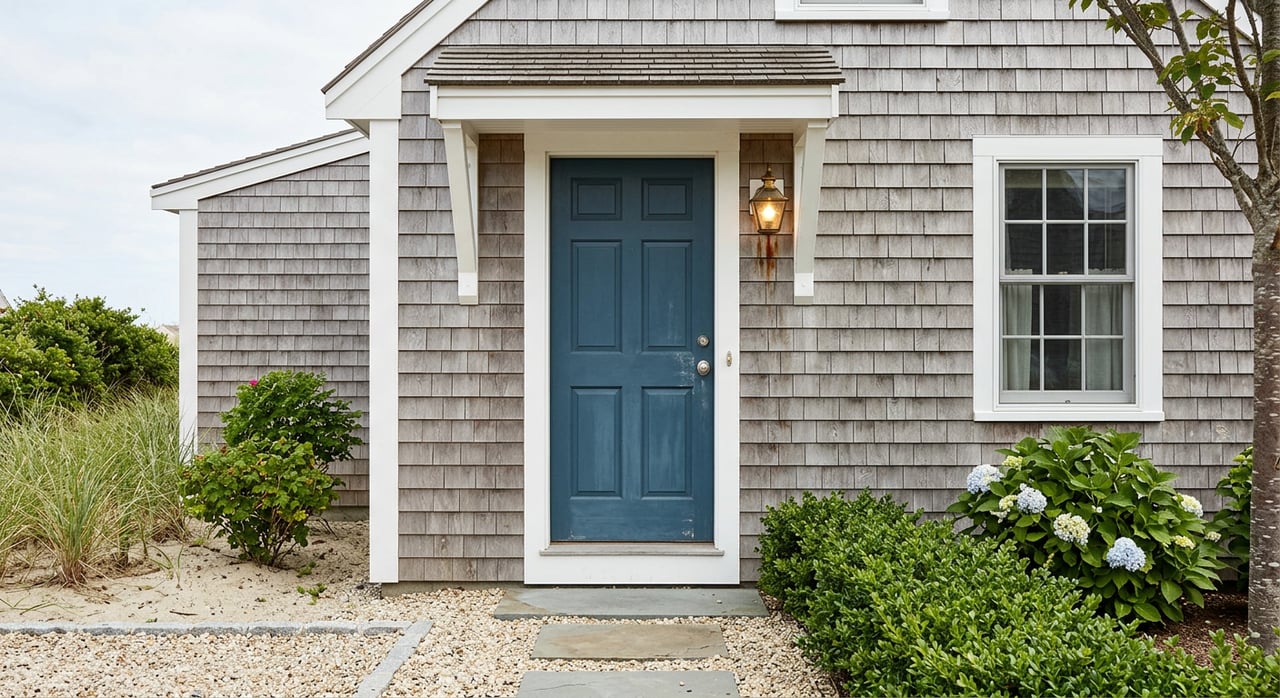
Thinking about what life feels like at the very tip of Cape Cod? In Provincetown you get a small, creative, year-round community that transforms into a lively seaside destination each summer. If you are weighing a second home or a year-round move, you likely want the real story on seasons, neighborhoods, getting around, and what buyers should expect. In this guide, you will learn the daily rhythm, practical logistics, housing types and price context, plus tips to see if living here fits your lifestyle. Let’s dive in.
Provincetown at a glance
Provincetown is a compact coastal town with roughly 3,400 to 3,800 year-round residents, according to recent estimates from national datasets. You feel that small-town scale in winter and on weekday mornings. By contrast, visitor counts in peak season are many times higher, with commonly cited estimates reaching tens of thousands on big summer weeks. That swing shapes daily life, services, and housing costs.
- Year-round population context: CensusReporter’s Provincetown profile is a good snapshot.
- Peak season context: Visitor-facing sources note sharp summer surges, as summarized on Wikipedia’s Provincetown overview.
Seasonal rhythm and culture
High season pace
From late spring through early fall, Commercial Street hums. Restaurants, galleries, and the harbor stay busy day and night, and special event weeks add even more energy. Schedules for ferries and visitor services expand, and wait times for parking and popular tables grow. Plan errands and deliveries with crowds in mind during June through September.
Off season pace
In late fall and winter, Provincetown shifts to a calmer daily rhythm. Many businesses shorten hours or take winter breaks, which creates a quieter, close-knit feel. You can expect easier parking, open trails, and community-driven arts events. If you love a peaceful beach walk and time to connect with neighbors, winter can be a highlight.
Arts anchors
Provincetown’s creative roots run deep. The Fine Arts Work Center brings nationally known artists and writers to town for residencies and year-round programming. Local galleries and the Provincetown Art Association & Museum offer rotating exhibitions that keep the visual-arts scene active in every season. Festival weeks, including film and themed weeks, bring visitors and add to the town’s cultural identity.
Neighborhoods and housing types
Town Center and Commercial Street
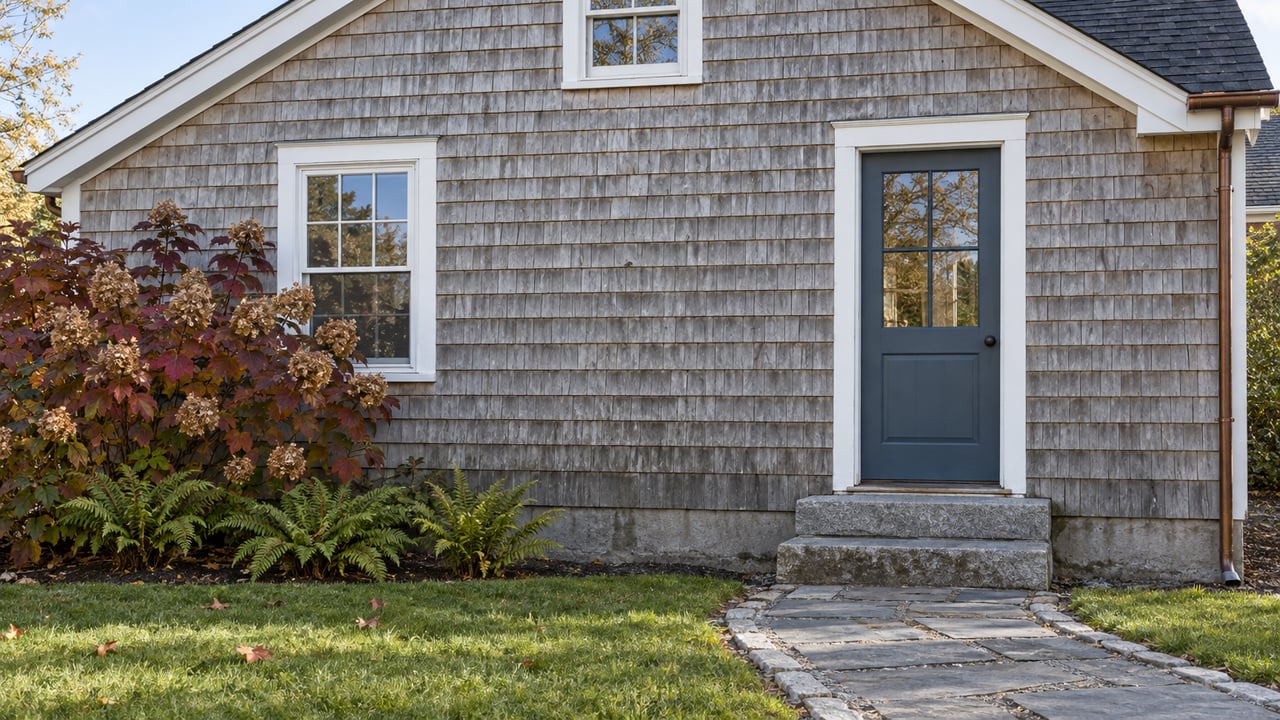
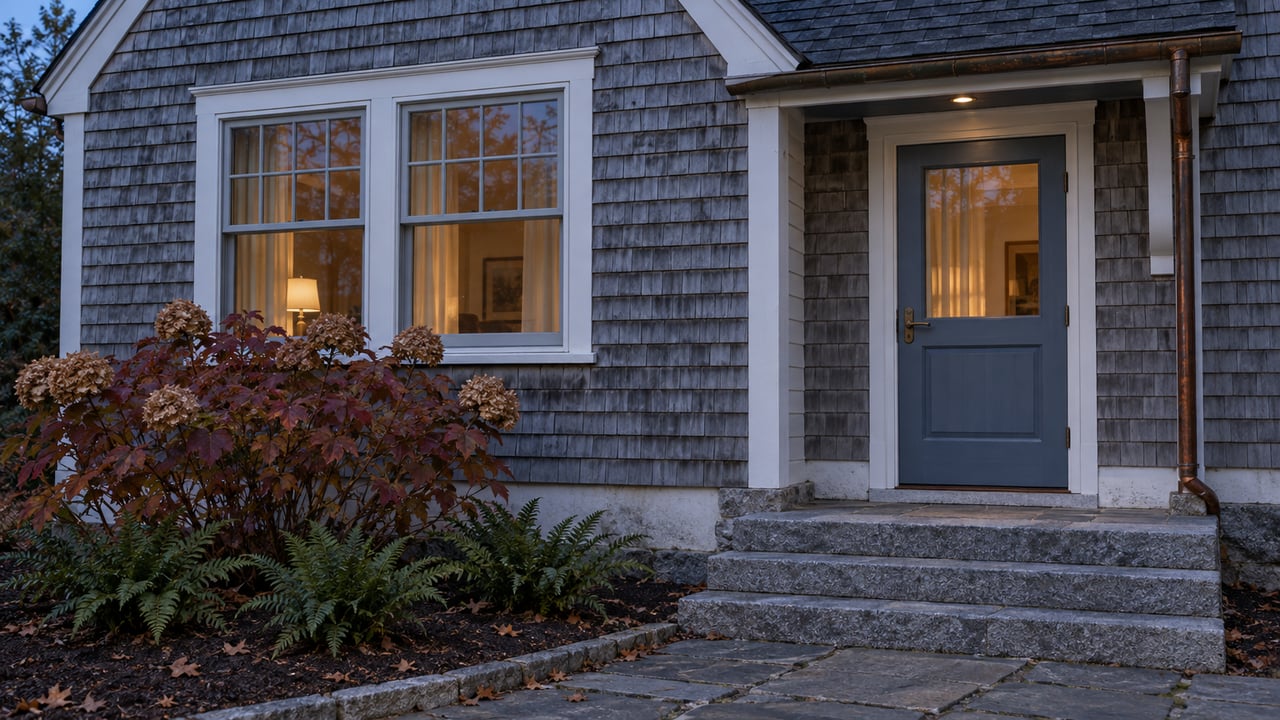
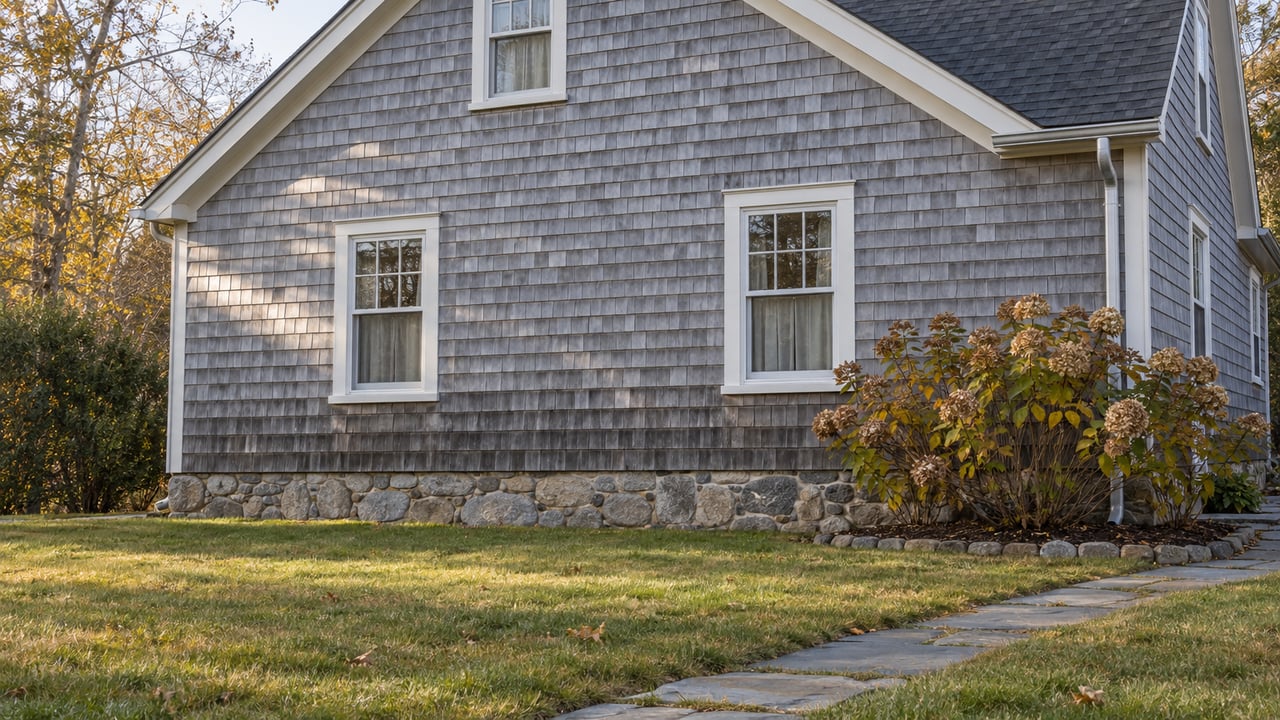
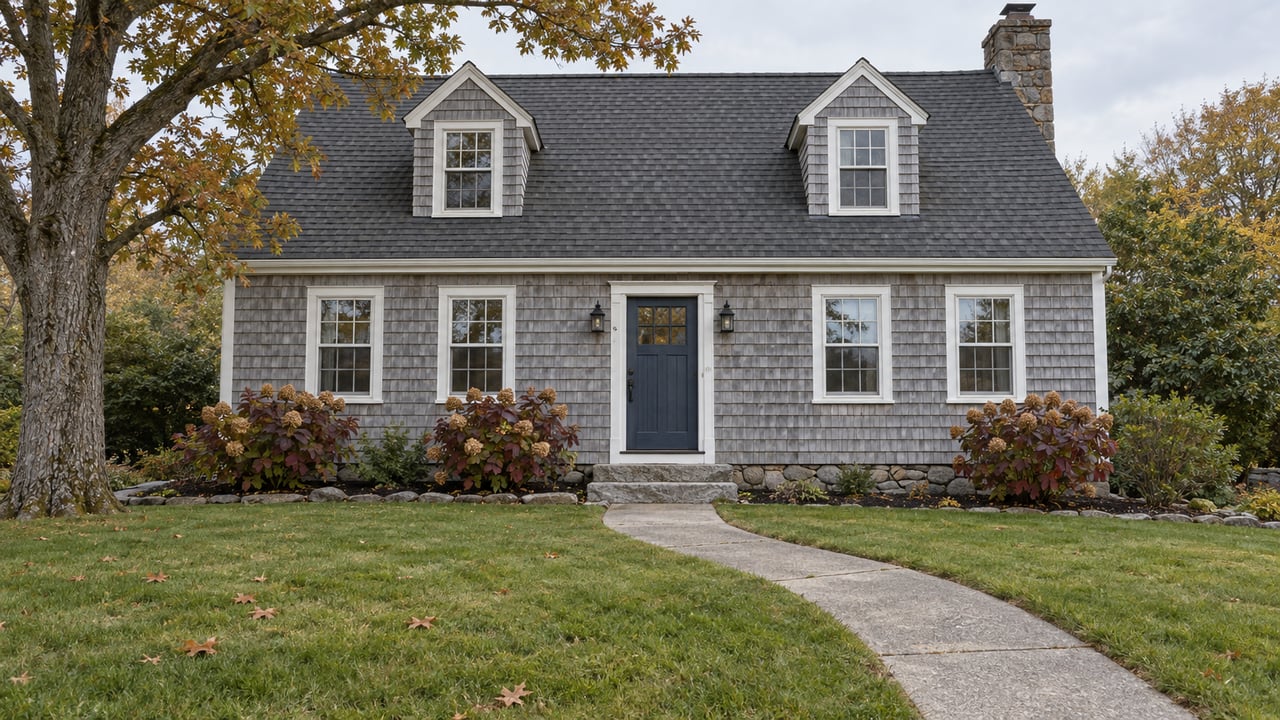
The downtown core is walkable and vibrant, with galleries, shops, and cafes clustered along Commercial Street. Housing here often includes small condos above storefronts, historic cottages tucked behind the main drag, and compact waterfront units. You trade space for location, which many buyers find worth it.
West End and East End
Locals often describe Provincetown by these two ends. The West End features many historic homes and water-view properties along tree-lined lanes. The East End stretches toward art studios and quieter residential pockets. Across town, you will see a mix of freestanding cottages, multifamily buildings, and condominium associations.
What you will find on the market
Entry points often start with studios and one-bedroom condos or small cottages that can sell in the mid six-figure range depending on condition and location. Two to three bedroom condos and townhouses commonly fall into the low to mid seven figures, especially near the water or downtown. Single-family and waterfront homes frequently sit higher within the seven-figure range. Inventory is limited, so prices and availability can swing month to month.
Outdoors, beaches, and mobility
Cape Cod National Seashore access
Provincetown is surrounded by protected land and shoreline. Race Point, Herring Cove, and the Province Lands are part of the Cape Cod National Seashore, which offers beaches, bike paths, and dunes. Operations, lifeguards, and parking are seasonal, and the National Park Service manages fees at lot entrances. For a sense of the park’s scope and management, see the Cape Cod National Seashore overview.
Biking and walkability
Provincetown is one of the most bike-friendly small towns in the country, with a compact grid and strong bike culture. Many residents bike or walk for everyday errands and only use a car for off-Cape trips. You can review the town’s national bike rating on PeopleForBikes City Ratings.
Dining and nightlife
Summer brings late-night patios, waterfront dining, and a busy lineup of restaurants along Commercial Street. In winter, options narrow and hours change, which creates a quieter but cozy scene. If year-round dining variety is important to you, plan an off-season visit to see if the winter pace fits your routine.
Housing market basics
Price context
Provincetown is a premium Outer Cape market. Recent market trackers commonly show typical values that exceed 1 million dollars, with higher price points for larger homes and waterfront locations. Given small listing counts and fast-changing conditions, plan to rely on real-time MLS data when you are ready to get specific.
Condos and cottages
If you want a low-maintenance place near the action, condos and small freestanding cottages are common. Buyers often balance size against location or views. Consider association rules, parking arrangements, storage, and onsite laundry as part of your due diligence.
Single-family and waterfront
Larger homes, especially those with panoramic views or private beach access, command a significant premium. These properties are scarce and often draw multiple interested parties. Early preparation, clear must-haves, and proof of funds help you move quickly when the right home appears.
Short-term rentals
Short-term rentals are a major part of Provincetown’s seasonal economy and housing mix. The Town and state require registration and taxes, and local enforcement evolves over time. Before you underwrite potential rental income, review the latest rules and Board of Health guidance, as reported in local coverage of Provincetown’s short-term rental regulations.
Getting here and around
Ferry, bus, and car
In season, the Boston to Provincetown fast ferries are a popular way to skip Route 6 traffic. The Town’s page lists current operators and schedules for MacMillan Pier ferries. Driving is straightforward in shoulder months, though summer weekends can be slow. Regional transit options also serve the town, and many residents keep daily travel close to home.
Parking and permits
Provincetown runs a seasonal paid and permit parking program. The Town publishes exact dates, permit types, and fees each year, and it is smart to review them if you own a car, host guests, or plan deliveries. For example, in 2025 the Town listed paid and permit parking from May 1 to November 2. Check the Town’s parking notice for the latest details.
Daily essentials
Schools and families
Provincetown Schools operate through grade 8. High school students typically attend the regional high school under existing agreements. If you are moving with teenagers, confirm current enrollment and choice rules with the district.
Healthcare access
Outer Cape Health Services operates in town with primary care, walk-in style services, and a pharmacy. For full hospital and trauma services, you will travel to the mid-Cape area. Plan a basic care routine locally and know your transfer options for emergencies.
Taxes, septic, and insurance
The Town publishes property tax rates, tools, and information about the Residential Tax Exemption, which can affect hold costs. Review the Assessor’s FAQ and resources as part of your planning. Many homes rely on septic systems, and Title 5 inspections are a key step in due diligence. As with many coastal towns, confirm flood exposure and insurance costs early.
Is Provincetown a fit for you?
You will likely love Provincetown if you want a creative seaside town with a strong seasonal pulse, world-class beaches, and a lifestyle centered on biking, walking, and community events. You should also be comfortable with summer crowds, seasonal hours in winter, and premium pricing. The best next step is to visit in both peak and off season to feel the contrast in person.
Quick ways to test the fit:
- Walk Commercial Street on a busy summer weekend, then return on a winter weekday.
- Bike to Herring Cove or Race Point and time the ride to see if it works for your routine.
- Try errands without a car and note where parking is essential for you.
- If you plan to rent seasonally, read current STR rules before building your budget.
If Provincetown sounds right for you, I am here to help you time the market, compare neighborhoods, and organize your search so it stays low-stress and efficient. Let’s talk about your goals and create a plan that fits your timeline. Connect with me at Robert Bantick. Let’s make your next move, together.
FAQs
Is Provincetown truly year-round or mostly seasonal?
- There is an active year-round community with a much quieter winter pace, and a high season that brings major visitor numbers and extended business hours.
How bike-friendly is Provincetown for daily life?
- Very bike-friendly for a small U.S. town, with a compact layout and strong local bike culture, as reflected in national ratings.
What should homebuyers expect to pay in Provincetown?
- Typical values often exceed 1 million dollars, with higher prices for larger and waterfront homes, and limited inventory can move numbers quickly.
Are short-term rentals allowed, and how are they regulated?
- Yes, but owners must follow town and state rules, including registration and taxes, and should review current Board of Health guidance and local enforcement.
What are the parking rules for residents and guests?
- The Town runs a seasonal paid and permit parking program with posted dates, permit types, and fees each year, so confirm details before you buy or host.