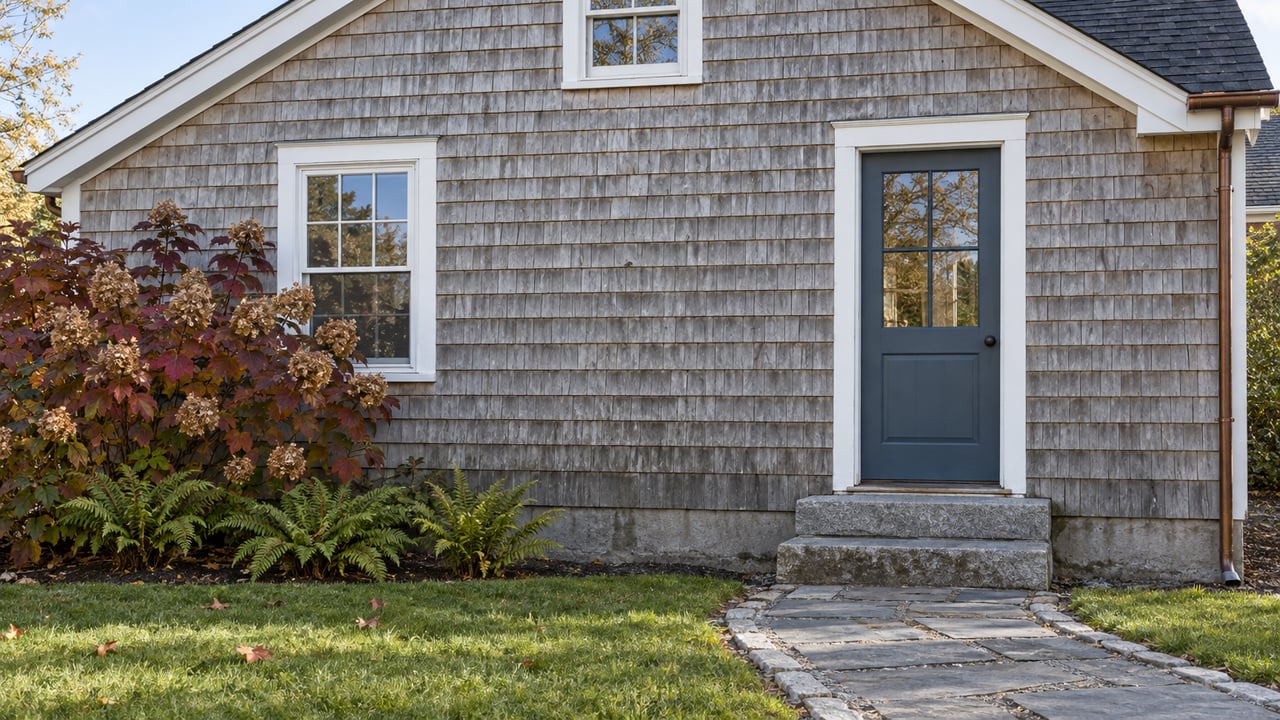
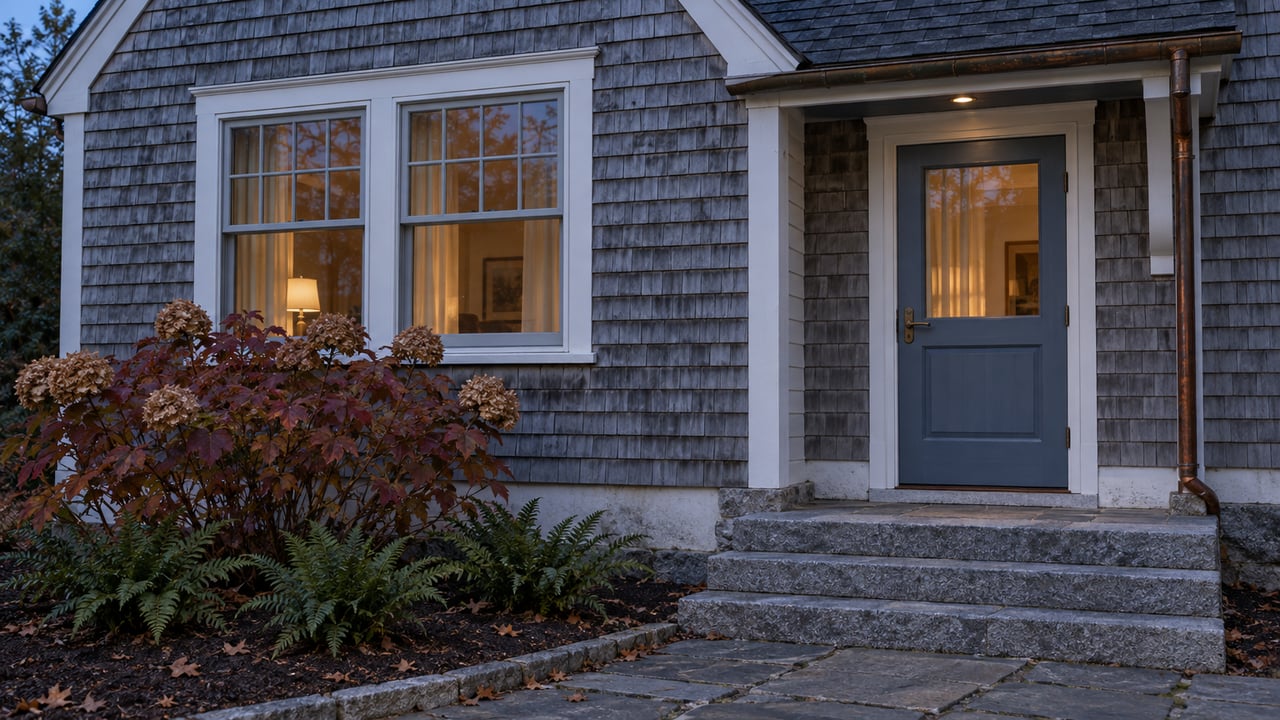
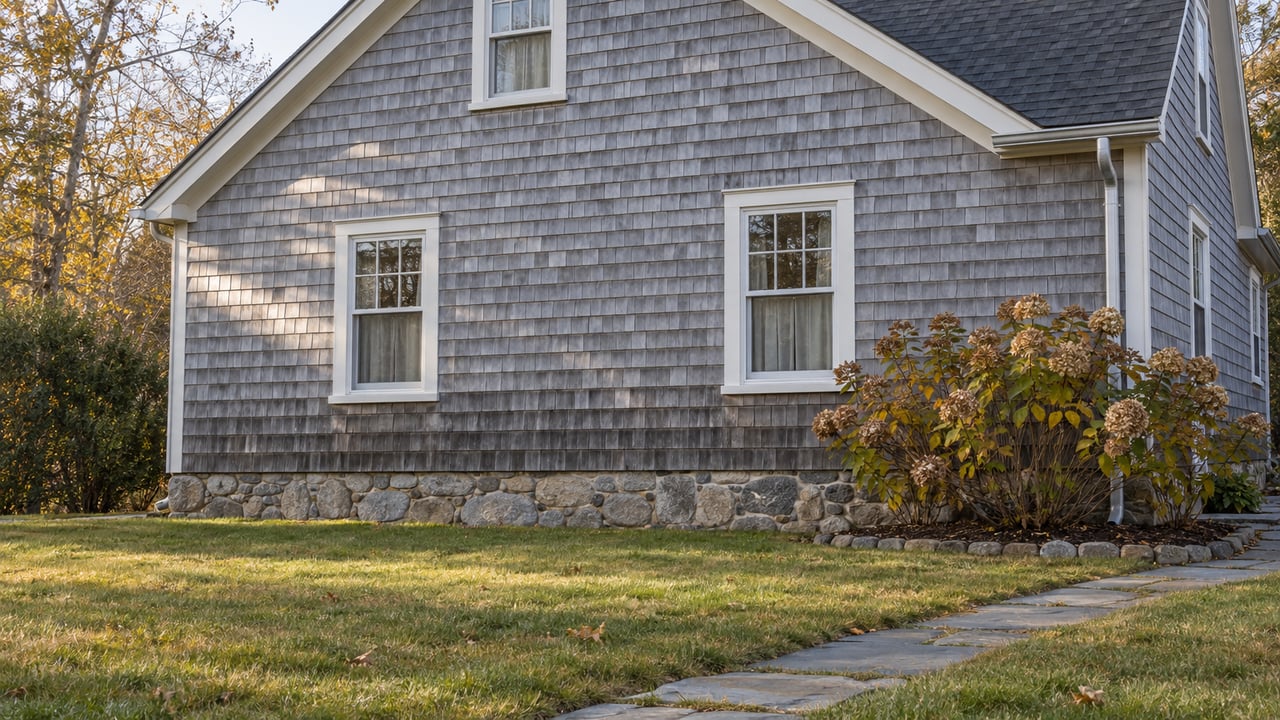
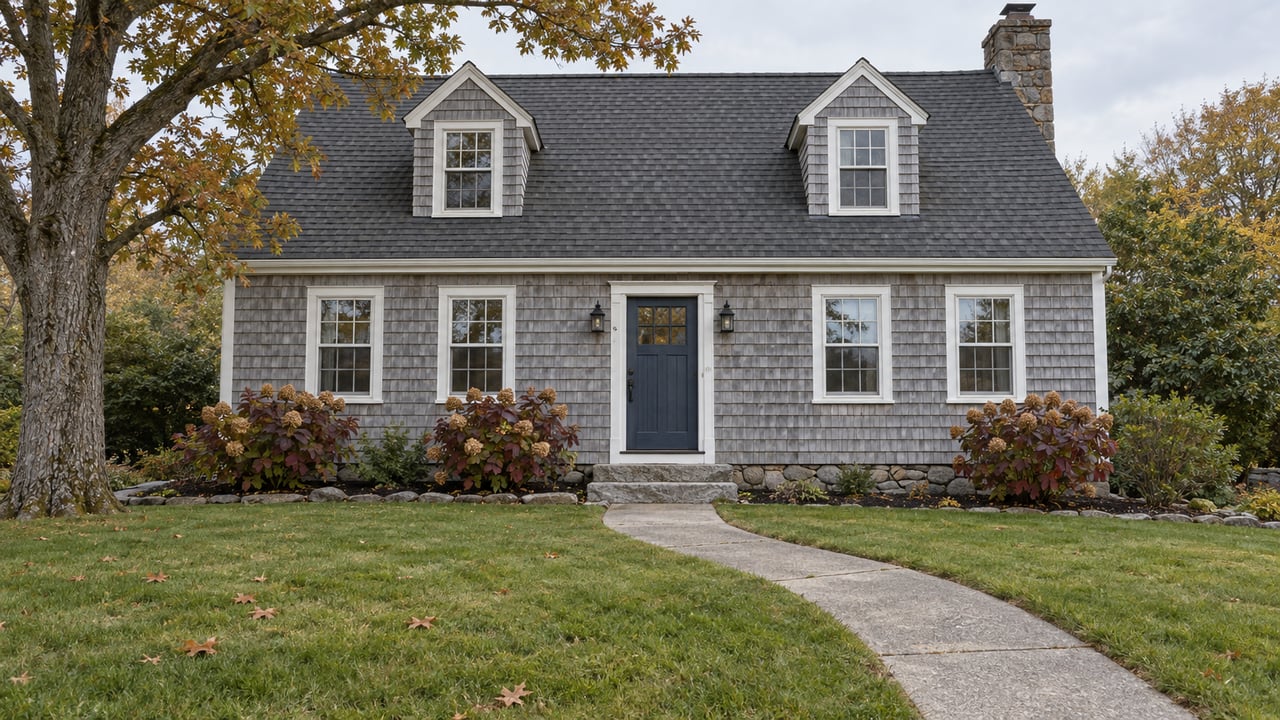
Every Harwich seller eventually asks Bobby Bantick the same question: what should I do to the house before I list it? The honest answer is that most of what people spend money on before selling a Lower Cape home doesn't move the needle, and a few unglamorous things move it a lot. Here's what actually adds value in Harwich, and what just adds to your to-do list.
What adds the most value to a home in Harwich?
Location advantages you can't renovate, and condition problems you can. In a Lower Cape market, proximity to water, a beach, or a walkable village center is the single biggest value driver — and it's fixed. What you can control is whether the home reads as cared-for: a dry basement, a sound roof, updated systems, and no deferred maintenance staring a buyer in the face. Buyers here forgive a dated kitchen far more easily than they forgive a question mark about the foundation or the septic.
Is it worth renovating before selling in Harwich?
Usually not a full renovation — but targeted fixes, yes. A gut kitchen rarely returns what you put in, especially since many Harwich buyers plan to renovate to their own taste anyway. What pays off is the cheaper tier: fresh paint, refinished floors, clean landscaping, and fixing the obvious defects an inspector will flag. The goal isn't a showpiece. It's removing every reason a buyer could talk themselves out of the house.
Does the septic system affect my Harwich sale?
Yes, more than almost anything else, and it's specific to the Cape. Massachusetts Title 5 requires a passing septic inspection to sell most homes, and on the Cape — where nitrogen regulations are tightening — a failed or marginal system can stall a deal or cost tens of thousands. If you're selling in Harwich, knowing your septic status before you list is one of the most important moves you can make. It's not glamorous, but it's the issue most likely to blow up a sale late.
The case for doing the work vs. selling as-is
There are two honest paths. Doing the work — the paint, the floors, the defect fixes — typically widens your buyer pool and shortens the time to offer, which matters if you need a clean, quick sale. Selling as-is trades a lower price for zero hassle and no cash outlay, which can be the right call for an estate sale, a tired second home, or a seller who simply doesn't want the project. Neither is wrong. The mistake is spending renovation money and still selling into the same buyer pool you'd have reached with a good cleanup.
Bobby's honest take
Before I list a Harwich home, I walk it and tell the owner the truth: here's the $2,000 of work that will come back to you, and here's the $40,000 renovation that won't. Most of the time the highest-return list is short and cheap — condition, cleanliness, and clearing the inspection landmines. Spend there, price it right for the village and the location, and let the buyer bring their own vision for the kitchen. Chasing a magazine finish before selling is how sellers spend their profit before they collect it.
The bottom line
What adds value to a Harwich home isn't a splashy renovation — it's location you already have, condition you can control, and getting ahead of the Cape-specific issues (septic and Title 5 above all) that quietly kill deals. Do the cheap, high-return work, handle the inspection risks early, and price to the reality of your street. That's how Lower Cape homes sell well without over-investing.
Frequently Asked Questions
What adds the most value when selling a home in Harwich MA?
Location advantages like water or village proximity matter most but can't be changed. The controllable value drivers are condition and cleanliness — a sound roof, dry basement, updated systems, and no visible deferred maintenance — plus resolving Cape-specific issues like septic before listing.
Should I renovate my kitchen before selling in Harwich?
Usually not fully. A complete kitchen renovation rarely returns its cost, and many Harwich buyers renovate to their own taste. Lower-cost improvements like paint, floors, and defect repairs typically deliver a better return.
Does a septic system affect selling a home on Cape Cod?
Significantly. Massachusetts Title 5 requires a passing septic inspection to sell most homes, and with tightening Cape nitrogen rules, a failing system can delay a sale or cost tens of thousands. Knowing your septic status before listing is essential.
Is it better to sell my Harwich home as-is or fix it up?
It depends on your goals. Doing targeted work usually widens the buyer pool and speeds up offers, while selling as-is trades a lower price for no hassle or cash outlay — often right for estates or tired second homes. A local agent can tell you which fits your situation.
Who can help me prepare my Harwich home to sell?
Bobby Bantick of Bantick Properties, powered by Keller Williams Realty, walks Harwich homes with sellers to identify the high-return improvements worth making and the expensive ones to skip.
Expect Better. — Bobby Bantick, Bantick Properties