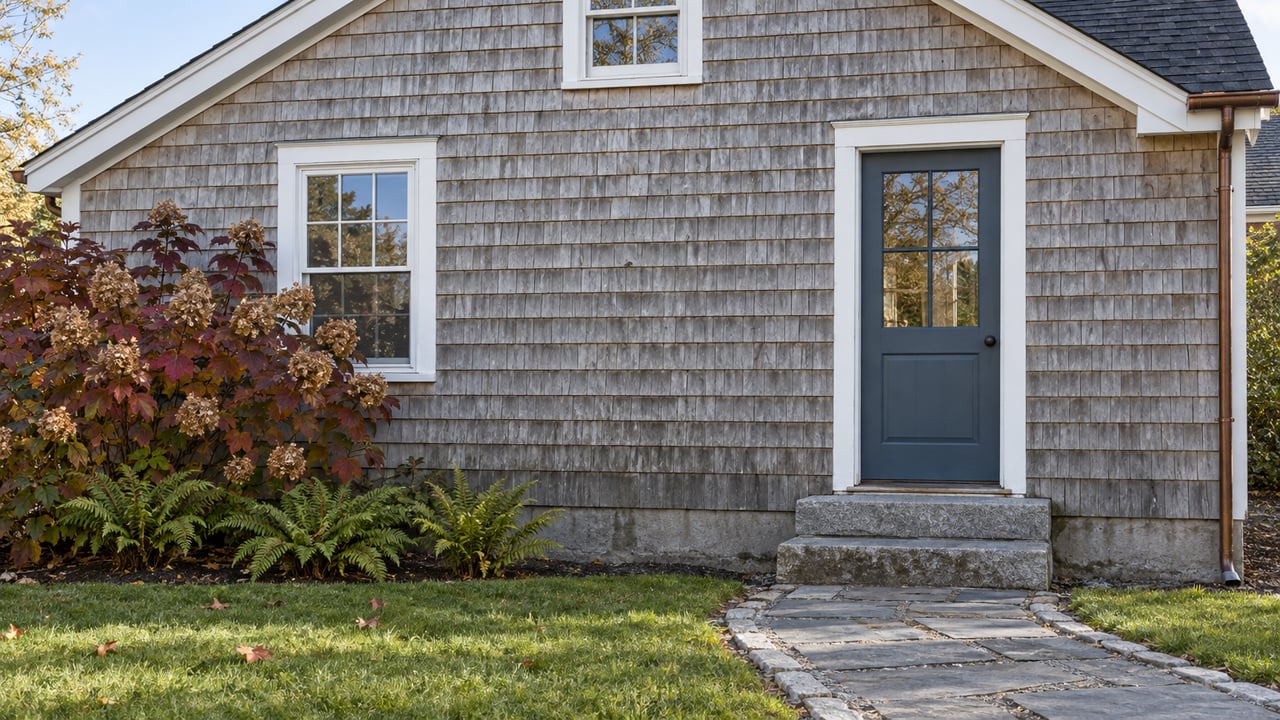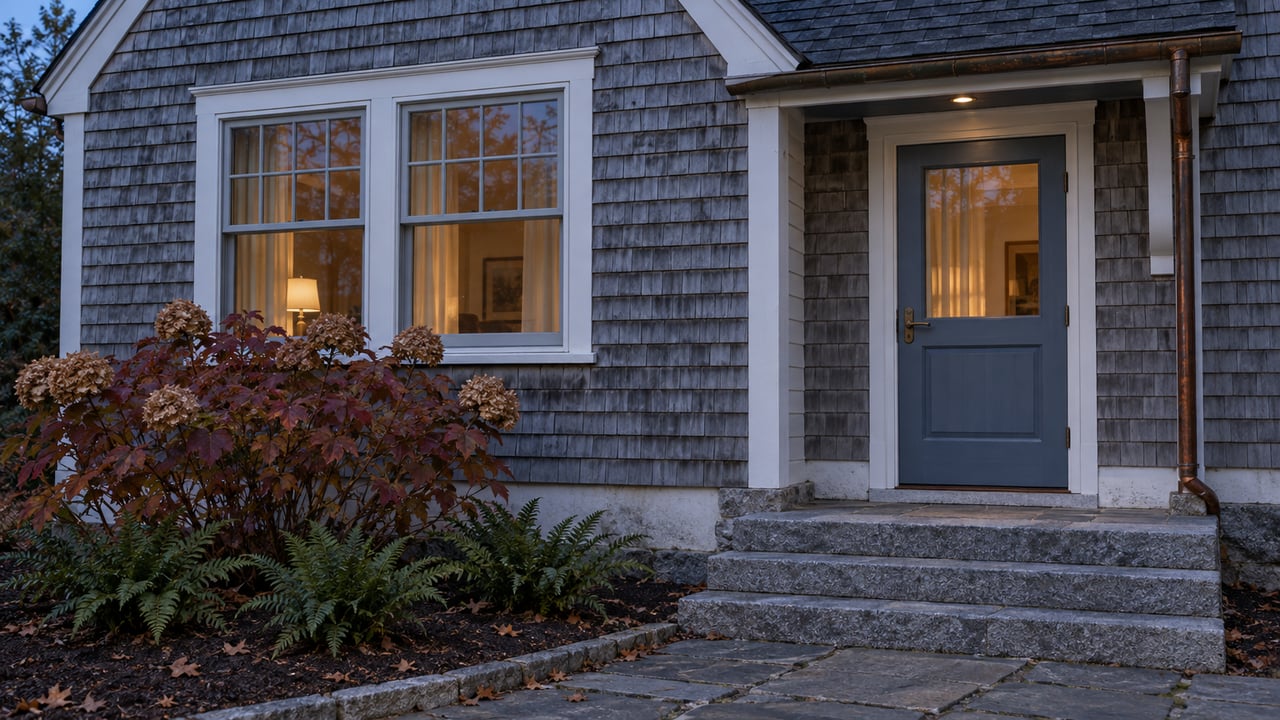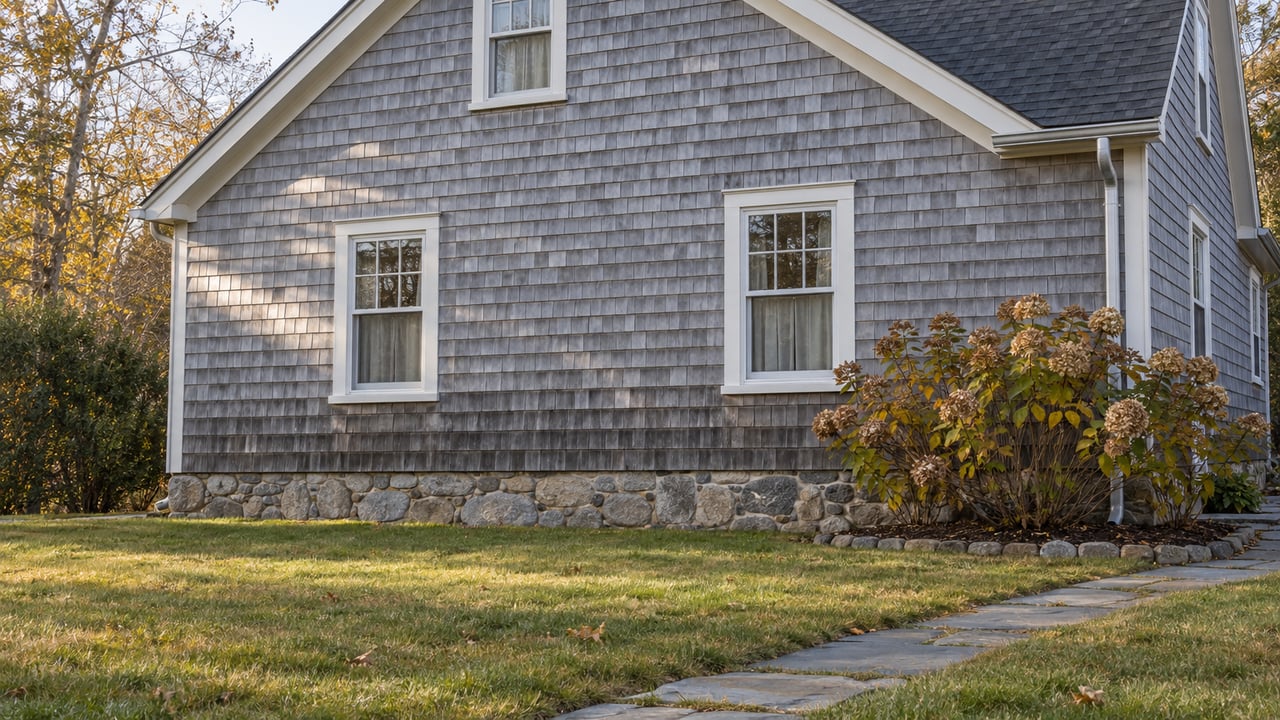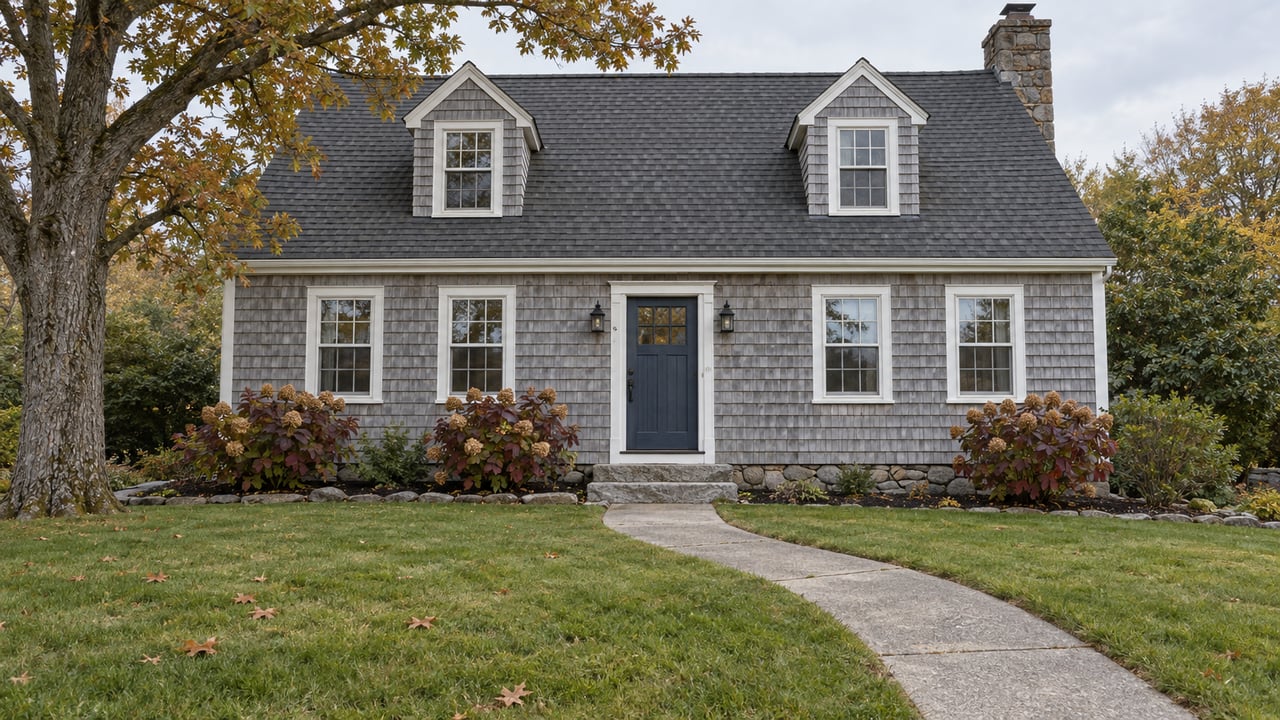
Bobby Bantick helps buyers and sellers navigate the Chatham real estate market as a licensed REALTOR® with Bantick Properties on Cape Cod. Growing up in neighboring Harwich, Bobby has known Chatham his entire life — not as a visitor, but as someone who grew up fishing its harbors, walking its beaches, and watching this town evolve from a working fishing village into one of the most sought-after addresses in New England. If you are considering a move to Chatham, MA, this guide walks you through what living here actually looks like — from neighborhoods and schools to property taxes and the current real estate market.
What makes Chatham different from every other Cape Cod town?
Chatham sits at the "elbow" of Cape Cod, where the peninsula bends north toward Provincetown. It is the only town on the Cape with coastline on both the Atlantic Ocean and Nantucket Sound, which gives it a geography — and a character — that no other town can replicate.
First settled by the English in 1664 and incorporated as a town in 1712, Chatham was originally a fishing community. That heritage is still visible every afternoon at the Chatham Fish Pier, where the commercial fleet unloads the day's catch and locals and visitors line the observation deck to watch. It is one of the last working fish piers on Cape Cod, and it anchors Chatham's identity in a way that no amount of boutique shopping ever could.
The year-round population is approximately 6,600 residents. In summer, that number swells to roughly 25,000 as seasonal homeowners, renters, and visitors arrive. But even at its busiest, Chatham maintains a sense of composure that sets it apart. The town feels curated without being manufactured. Main Street is walkable, the architecture is shingled and understated, and the overall atmosphere lands somewhere between a New England fishing village and a quietly confident resort town.
What does year-round life in Chatham look like?
If you have only visited Chatham in July, you have seen the town at peak energy — and that is not what year-round living feels like. Understanding the seasonal rhythm is critical if you are considering a permanent move.
Summer
Summer is when Chatham comes alive in the most visible way. Main Street fills with shoppers. Lighthouse Beach draws crowds to watch the seal colony from the overlook. The Chatham Anglers — the town's Cape Cod Baseball League team — play at Veterans Field, and the games are a beloved tradition for families. Every Friday evening in season, the band concert at Kate Gould Park packs the town center with hundreds of residents and visitors. Restaurants are fully booked, galleries host openings, and the harbors are active with recreational and commercial boats.
If you are moving from a quieter setting, summer in Chatham will feel busy. Traffic along Route 28 through town can be slow. Parking on Main Street fills up early. This is all normal and expected — and most year-round residents learn to navigate it easily.
Fall
Fall is when many longtime residents will tell you Chatham is at its best. The crowds thin, the light gets softer, and the beaches are peaceful. Hardings Beach and Lighthouse Beach are stunning in October — uncrowded, windswept, and dramatic. Restaurants that stay open year-round become more relaxed. The Chatham Orpheum Theater, which offers films and events throughout the year, becomes a regular gathering spot.
Winter
Winter in Chatham is quiet. Some businesses close seasonally, and the pace of life slows considerably. But the town does not shut down. The year-round community is tight-knit and active, with civic events, library programming, and the kind of daily routine that defines small-town coastal living. Morning walks to Lighthouse Beach, coffee at a local cafe, and the rhythm of a town that moves at its own pace — that is winter in Chatham.
Spring
Spring arrives slowly on the Lower Cape. By April, restaurants begin reopening, boats start going back into the harbors, and the energy begins to build toward summer. For year-round residents, spring is the last window of quiet before the season starts — and many people treasure it for exactly that reason.
Where in Chatham should you look?
Chatham has five distinct areas, and each offers a different experience. The right choice depends on your priorities — walkability, water access, privacy, or price point.
Chatham Village
This is the heart of town — Main Street, Kate Gould Park, the Chatham Lighthouse, the Fish Pier. If you want to be able to walk to dinner, stroll to the lighthouse, and live in the center of Chatham's social and cultural life, this is the area. Properties here tend to be older, well-maintained, and among the most expensive in town. Homes near Main Street and the village center are the most in-demand in all of Chatham.
North Chatham
North Chatham sits along Pleasant Bay — one of the most beautiful bodies of water on Cape Cod. This area is known for larger lots, more privacy, and direct or near-direct access to the bay. Pleasant Bay is a protected estuary with calm, warm water, excellent for kayaking, paddleboarding, and shellfishing. North Chatham tends to attract buyers looking for waterfront estates and bay-facing properties with serious privacy.
South Chatham
South Chatham borders Harwich and offers slightly more accessible pricing than the village center or North Chatham. This area is quieter, more residential, and closer to the Nantucket Sound side of town. Families and retirees who want a Chatham address without the premium of the village core often find South Chatham to be the right fit.
West Chatham
West Chatham is the area along Route 28 heading toward Harwich. It is more commercial in character near the road but becomes residential as you move off the main corridor. West Chatham offers practical convenience — closer to grocery stores, gas stations, and the services that make daily life easier. For buyers who want to live in Chatham but prioritize function over walkable charm, West Chatham is worth considering.
Chatham Port
Chatham Port sits on the Nantucket Sound side of town and is known for its harbors, marinas, and water access. Stage Harbor and Oyster Pond are both in this area. If boating, sailing, or direct sound-side beach access is a priority, Chatham Port is where you should be looking.
What does the Chatham real estate market look like right now?
Chatham is a premium market — there is no way around that. But understanding the numbers helps frame what "premium" actually means in practice.
Based on the most recent MLS data, the current median sold price in Chatham is $1,367,500. The average sold price is closer to $1,888,000, which reflects activity at the upper end — recent sales have closed from $552,500 up to $7,312,500.
Homes that are priced accurately and in good condition are selling quickly. The median days on market is 16 days. There are currently 50 active listings and 36 homes under contract or pending, which points to strong and consistent demand.
The active listing range is wide — from $475,000 for smaller properties and condos up to nearly $13 million for waterfront estates. The median active list price is just over $3 million, which tells you that much of the current inventory is concentrated at the upper end of the market.
Chatham's housing stock ranges from homes built as early as 1800 to brand-new construction in 2026. You will find antique capes, mid-century ranches, waterfront contemporary builds, and classic shingled estates — often all within a few miles of each other. The median lot size is about half an acre.
One thing to understand about Chatham: a meaningful share of the market operates quietly. Relationships matter here. If you are serious about buying in Chatham, working with an agent who knows the town and has local connections can make the difference between finding the right property and missing it entirely.
What are Chatham's property taxes?
This is one of Chatham's most compelling selling points. The FY2026 residential tax rate is $3.67 per thousand dollars of assessed value — the lowest on all of Cape Cod.
To put that in context: a home assessed at $1,000,000 in Chatham carries an annual tax bill of approximately $3,670. That same home in a town with a $7.00 rate would owe roughly $7,000. Over a decade of ownership, that difference adds up to tens of thousands of dollars.
The low rate is a function of Chatham's extraordinary total property valuation — over $12 billion — which allows the town to generate the revenue it needs at a low per-thousand rate. Property values here are high, but the tax rate reflects that in a way that benefits every homeowner.
An important development for year-round residents: starting in FY2027, Chatham will implement a 35 percent residential exemption for properties occupied by full-time residents. This means year-round homeowners will see a meaningful reduction in their taxable assessed value compared to seasonal and non-resident owners. The town's select board voted to adopt this exemption, and it could save qualifying homeowners over a thousand dollars per year depending on their assessed value.
What about schools in Chatham?
Chatham is part of the Monomoy Regional School District, which the town shares with neighboring Harwich. The district includes Chatham Elementary School (located in Chatham), Monomoy Regional Middle School (also in Chatham), and Monomoy Regional High School (located in Harwich).
Chatham Elementary earns strong ratings and is known for its small class sizes and engaged parent community. Monomoy Regional High School opened in 2014 after the Chatham and Harwich districts merged, and it has quickly established itself as one of the better public high schools on the Lower Cape. The school's mascot is the Sharks, and its athletic teams compete in the Cape and Islands League.
For families, the connection between Chatham and Harwich through the Monomoy district is actually an advantage — it creates a larger, more resourced school system than either town could sustain independently, while keeping class sizes manageable. Cape Cod Regional Technical High School in Harwich is also available for students interested in vocational and technical education.
Beaches and outdoor life in Chatham
Chatham's coastline is dramatic, varied, and defines daily life for most residents.
Lighthouse Beach
Lighthouse Beach is Chatham's most iconic beach. It sits directly below the Chatham Lighthouse, and from the sand you look out across the Atlantic toward the southern tip of Monomoy Island. At lower tides, seals rest on the exposed sandbars — Chatham is home to one of the largest seal colonies on the East Coast. The water here can be rough, with strong currents influenced by wind and tidal flows. There are no lifeguards, and the south tip of the beach is permanently closed to swimming. But for walking, watching wildlife, and simply experiencing the raw Atlantic coast, there is nothing else like it on Cape Cod.
Hardings Beach
Hardings Beach faces Nantucket Sound and offers calmer, warmer water than the ocean-side beaches. It is a favorite for families and is one of the most popular summer beaches in town. The beach also serves as a launch point for kayakers heading toward the waters off Monomoy National Wildlife Refuge. Stage Harbor Lighthouse is accessible via a trail from Hardings Beach.
Ridgevale Beach
Ridgevale Beach, also on the sound side, is a quieter alternative to Hardings with good swimming and a more relaxed atmosphere.
Oyster Pond
Oyster Pond is a saltwater tidal pond within walking distance of downtown Chatham. It offers free parking, lifeguard coverage in season, and the warmest water of any Chatham beach — making it a strong choice for families with young children.
Monomoy National Wildlife Refuge
The Monomoy National Wildlife Refuge covers 7,921 acres of barrier beach, salt marsh, dunes, and tidal flats stretching south from the elbow of Cape Cod. It is the only federally designated wilderness area in southern New England. The refuge is managed by the U.S. Fish and Wildlife Service and is a nationally significant habitat for migratory birds and marine mammals. For nature-oriented buyers, the proximity to Monomoy is a major part of Chatham's appeal.
Main Street and the village center
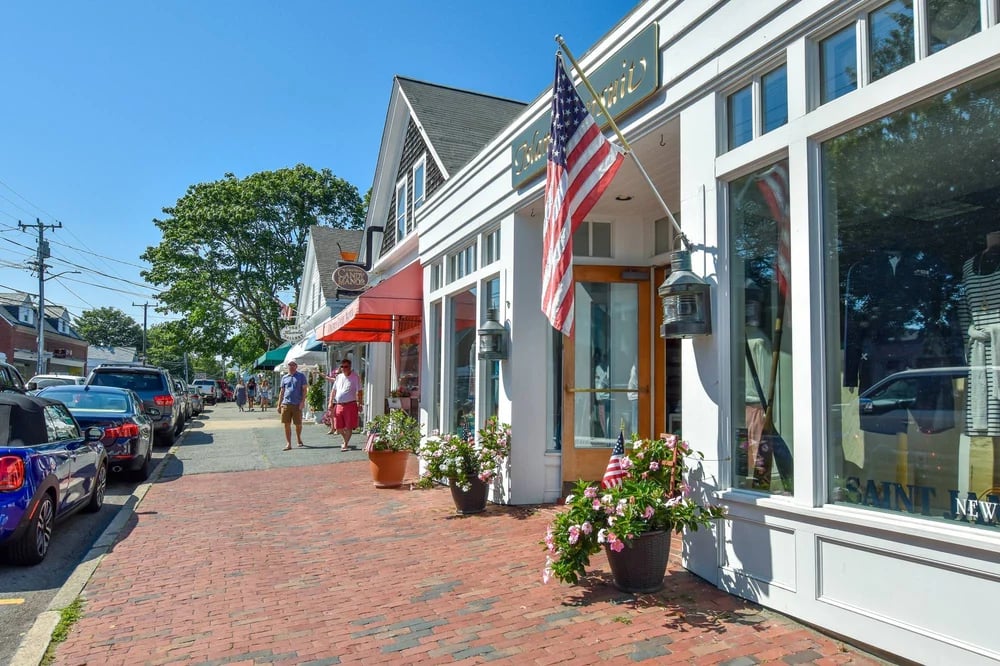
Chatham's Main Street is one of the most well-known downtown stretches on Cape Cod — and for good reason. The street is lined with independent boutiques, galleries, restaurants, and specialty shops housed in cedar-shingled buildings. American flags fly from storefronts, and the overall feel is a New England coastal village at its most polished.
Kate Gould Park anchors the center of Main Street and hosts the famous Friday Night Band Concert series throughout the summer — a tradition that draws hundreds of residents and visitors every week. Art in the Park runs from June through August, and the park is a gathering point for community events year-round.
The Chatham Orpheum Theater, a restored Art Deco cinema, offers films and events throughout the year — making it one of the few year-round cultural venues in the village center.
For daily life, Main Street is walkable and practical. You can get coffee, pick up groceries at a local market, browse a bookshop, eat lunch, and handle errands — all without getting in your car. That walkability is a major draw for buyers who are tired of suburban car-dependency.
Who lives in Chatham?
Chatham's community skews older — the median age is around 67 — which reflects the strong retiree and second-home population. Roughly 88 percent of residents own their homes, which signals stability, pride of ownership, and a community that invests in its properties and its town.
But Chatham is not exclusively a retirement community. Families with children attend Chatham Elementary and the Monomoy schools. Remote workers have found Chatham's quality of life and reliable internet infrastructure appealing. And a growing number of buyers are purchasing in their 40s and 50s with plans to transition to full-time residency within a few years.
The town uses an open town meeting form of government, led by a select board and town manager. Community involvement runs deep — town meetings are well-attended, volunteer committees are active, and residents take an active role in shaping Chatham's future.
Frequently asked questions about living in Chatham MA
Is Chatham MA expensive?
Yes — Chatham is one of the most expensive real estate markets on Cape Cod. The median sold price is currently $1,367,500. However, the property tax rate is the lowest on the Cape at $3.67 per thousand, which offsets some of the carrying cost. Entry-level options — including condos and smaller homes in South Chatham and West Chatham — exist in the $475,000 to $750,000 range.
How far is Chatham from Boston?
Chatham is approximately 90 miles from Boston, about a two-hour drive without traffic. Hyannis, which offers regional transit connections and seasonal ferries to Nantucket and Martha's Vineyard, is about 35 minutes away.
What are the best beaches in Chatham?
Lighthouse Beach is the most iconic. Hardings Beach is the best for families. Oyster Pond offers the warmest water and is walkable from downtown. Ridgevale Beach is a quieter sound-side option. Each beach has a different character depending on what you are looking for.
Are there good schools in Chatham?
Chatham is part of the Monomoy Regional School District, shared with Harwich. Chatham Elementary is well-regarded, and Monomoy Regional High School (opened 2014) has quickly become one of the stronger public schools on the Lower Cape.
What is the difference between Chatham and Harwich?
Chatham is more of a resort and luxury market with higher price points, a walkable downtown, and an Atlantic coastline. Harwich is a quieter, more family-oriented town with a strong year-round community and more accessible pricing. The two towns share the Monomoy school district and are immediate neighbors — many buyers consider both. Bobby Bantick grew up in Harwich and works extensively in both towns.
Does Chatham have a year-round community?
Yes. Roughly 6,600 people live in Chatham full-time. The town has year-round schools, civic services, restaurants, the Chatham Orpheum Theater, and an active community calendar. The pace slows significantly in winter, but the core community remains engaged and present.
Ready to explore Chatham?
If Chatham is on your radar, the best next step is talking to someone who knows the town deeply — not just the listings, but the neighborhoods, the nuances, and the details that do not show up on a property search. Bobby Bantick grew up next door in Harwich, works with buyers and sellers across Chatham, Harwich, Brewster, Dennis, and all of Barnstable County, and can help you navigate this market with the local insight it requires.
Call Bobby at (508) 958-1041 or visit bantickproperties.com to start the conversation. Expect Better.