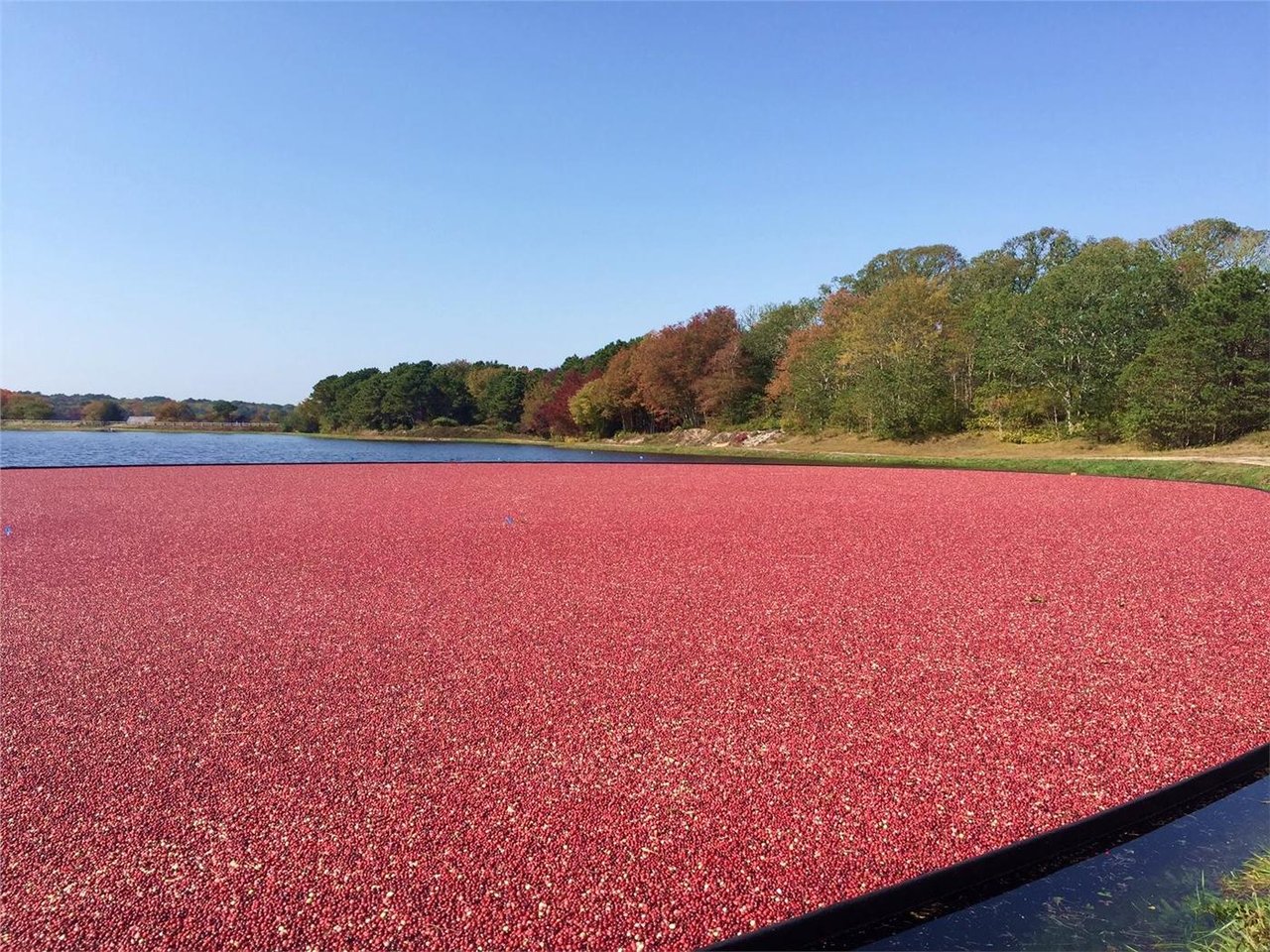
Harwich is known as the birthplace of commercial cranberry cultivation in America — and that heritage is not just a historical footnote. Bobby Bantick, a REALTOR® with Bantick Properties who was born and raised in Harwich, grew up surrounded by cranberry bogs and understands how this unique landscape shapes daily life, community identity, and property values across the town. If you are considering a move to Harwich, MA, here is why the cranberry matters more than you might expect.
A brief history of cranberries in Harwich
The first commercial cranberry bog in America was established in Harwich in 1846. While cranberries grew wild across Cape Cod for centuries, it was Harwich farmers who first cultivated them commercially — turning a wild berry into an industry that would define the region for generations.
At its peak, cranberry cultivation was one of the dominant economic forces on Cape Cod. Harwich was at the center of it. Bogs were carved into the landscape across the northern part of town, fed by the freshwater ponds and streams that run through the interior. Harvest season brought workers from across the region, and the cranberry became as much a part of Harwich's identity as its harbors and beaches.
Today, active cranberry bogs are still part of the Harwich landscape — particularly in North Harwich, where the flat, wet terrain was ideally suited for cultivation. The bogs are beautiful in every season: flooded and glowing red during the fall harvest, green and lush in summer, dormant and still in winter. They are a visual signature of this part of town that you will not find anywhere else on the Lower Cape.
The Harwich Cranberry Festival
The Harwich Cranberry Festival, held annually in September, is the town's signature community event and one of the largest festivals on Cape Cod. The festival celebrates Harwich's cranberry heritage with a parade, fireworks, live music, a road race, arts and crafts vendors, a pancake breakfast, and guided tours of working cranberry bogs.
For year-round residents, the Cranberry Festival marks the unofficial transition from summer to fall. It is the weekend when the town comes together — not for tourists, but for itself. The parade runs through the center of town, the fireworks light up the harbor, and the energy is distinctly local.
For buyers considering Harwich, the Cranberry Festival is worth experiencing before you purchase. It will tell you more about the character of this community in one weekend than any number of property tours. This is a town that celebrates its working roots — not just its waterfront — and that ethos runs through everything from town meeting debates to conservation land decisions.
How cranberry bogs shape the Harwich landscape
Cranberry bogs are not just farms. On Cape Cod, they function as de facto conservation land — large, flat, open spaces that break up the wooded landscape, support wildlife habitat, provide stormwater management, and preserve visual openness in areas that might otherwise be developed.
In North Harwich, active and retired cranberry bogs create a landscape that feels distinctly different from the harbor villages to the south. The terrain is flatter, the lots are larger, and the views are longer. Properties near bogs often have a pastoral, rural character that is increasingly rare on Cape Cod.
Several of these bogs are now protected through conservation easements or direct ownership by the Harwich Conservation Trust, which means they will remain as open space permanently. For homeowners nearby, that protection guarantees the landscape will not change — the open views, the wildlife, and the quiet will persist.
Real estate near the cranberry bogs
North Harwich — where most of the remaining cranberry bogs are located — is generally the most affordable part of town. The distance from the harbor and beach villages translates into lower pricing, larger lots, and more privacy.
You will find established single-family homes on generous lots, some newer construction, and properties that back up to or overlook active or retired cranberry bogs. The visual appeal of these properties is genuine — waking up to a view of a cranberry bog in autumn, with the reds and oranges reflected in the flooded water, is something that photographs cannot fully capture.
For buyers who are drawn to Harwich's community and schools but want more space and more privacy than the harbor villages can offer, North Harwich near the bogs is one of the most compelling options on the Lower Cape. You are still within a short drive of the beaches and harbors, you are in the Monomoy school district, and you have a landscape that is uniquely and distinctly Harwich.
Conservation, cranberries, and long-term value
Harwich has taken a deliberate approach to protecting its cranberry landscape. The Harwich Conservation Trust and the town have worked together to acquire and protect bog land, ensuring that the agricultural and ecological character of these areas is preserved even as development pressure increases across Cape Cod.
This conservation ethic has real implications for property values. Protected land limits the supply of developable lots in the surrounding area, which supports pricing over time. It also preserves the visual and environmental quality that attracts buyers to these neighborhoods in the first place.
More broadly, Harwich's cranberry heritage is part of what makes the town authentic. In a real estate market where buyers increasingly value character, history, and community identity over generic amenities, Harwich's working agricultural roots are a competitive advantage that no other Lower Cape town can claim.
The cranberry connection is what makes Harwich different
Every Cape Cod town has beaches. Several have harbors. A few have good schools. But Harwich is the only town on the Lower Cape where you can walk through an active cranberry bog, attend a harvest festival, and live in a community that still identifies with its agricultural past — all while being ten minutes from Nantucket Sound.
That combination is what makes Harwich special. And it is the kind of specificity that Bobby Bantick brings to every buyer conversation — not just the data, but the stories, the history, and the understanding of what makes each part of this town unique.
Call Bobby at (508) 958-1041 or visit bantickproperties.com. Expect Better.