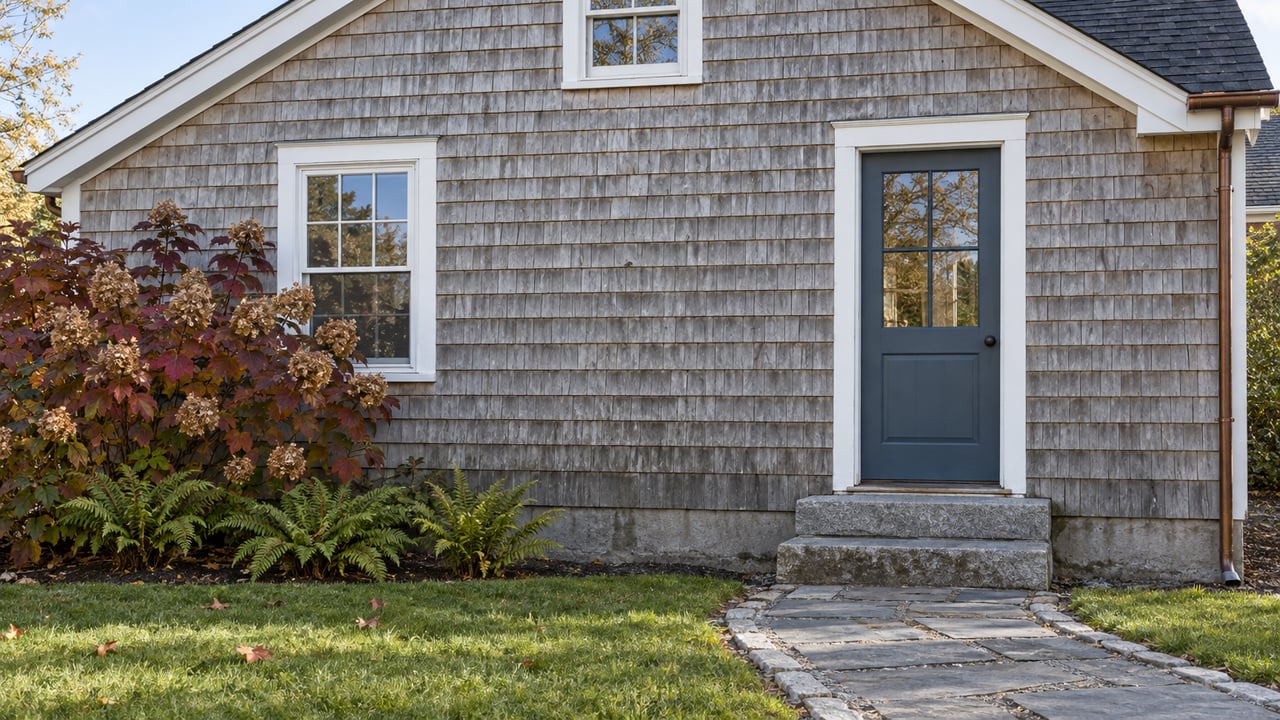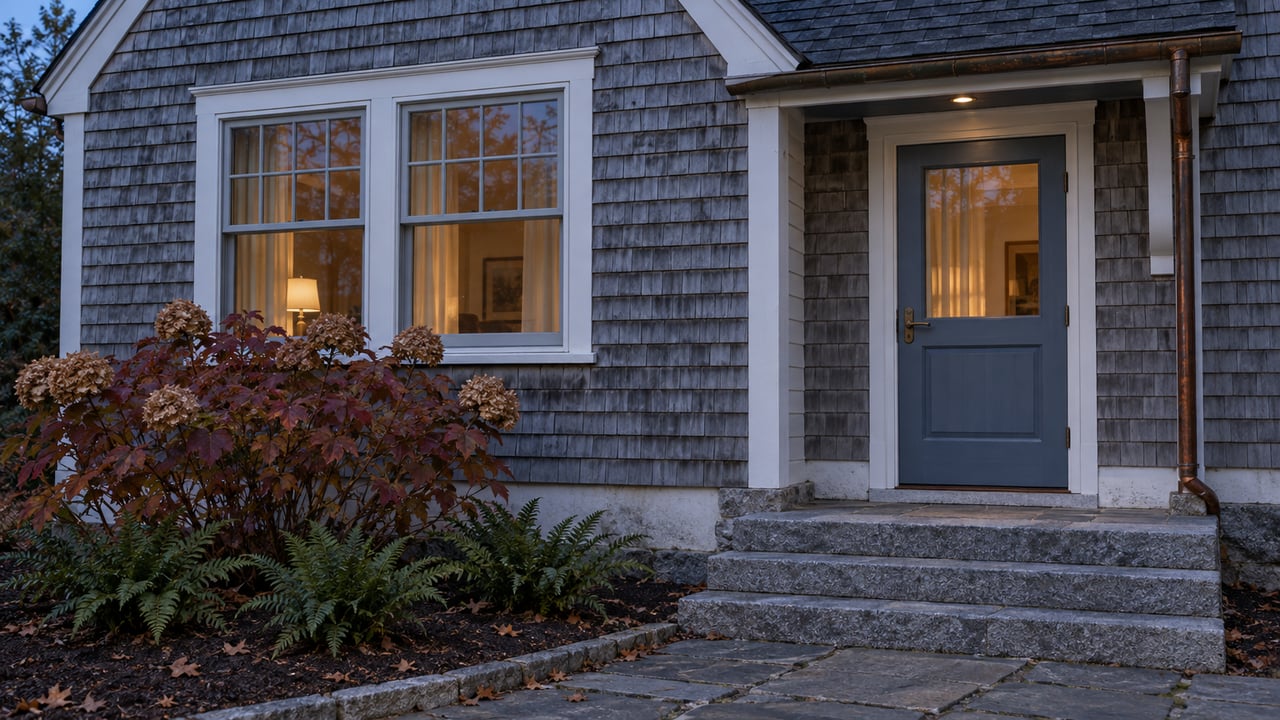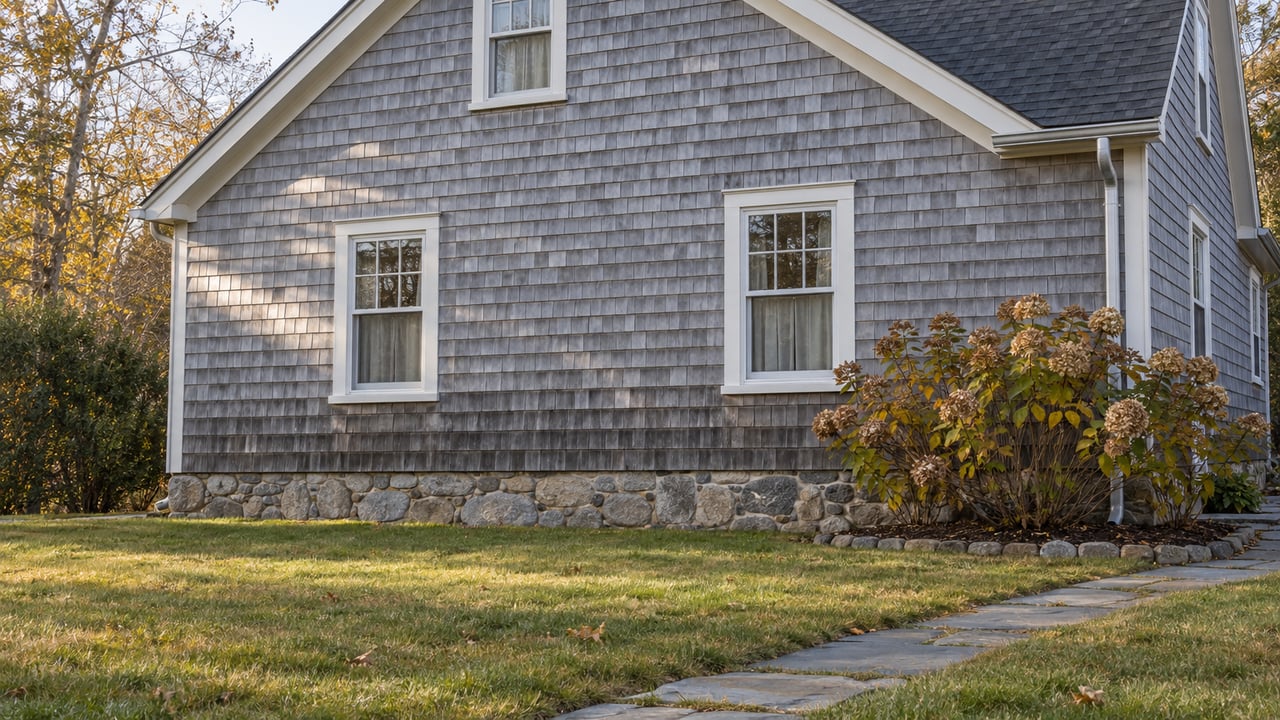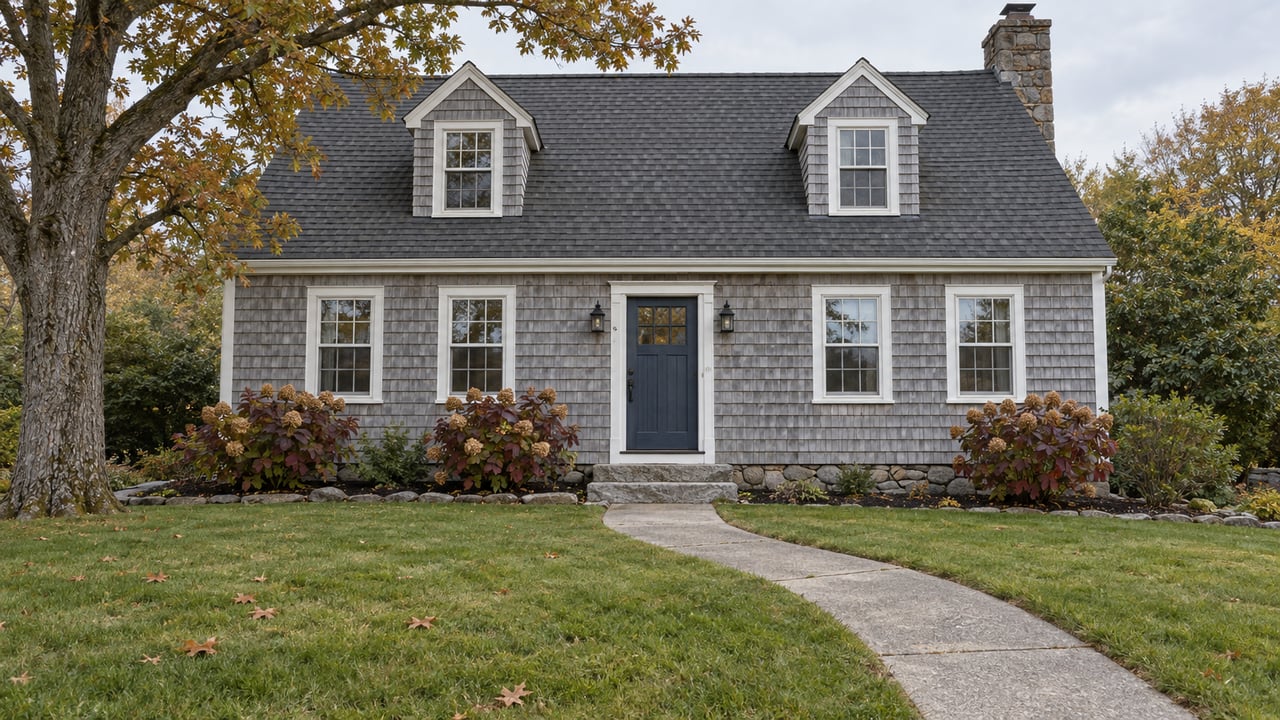
For 53 years, anyone who lives near the race route knew the rhythm without checking a calendar. The gun went off at nine. Woods Hole stayed sealed until the leaders cleared the harbor. By early afternoon, Grand Avenue opened back up and Falmouth Heights went back to being a place where you could park in your own driveway without a resident sticker in the windshield. This year, that rhythm broke. On August 16, the ASICS Falmouth Road Race started at 8 a.m. for the first time in the event's history, and the ripple from that single hour is still worth understanding if you live anywhere between Woods Hole and Falmouth Heights, because next August it happens again.
The town approved the change last October after the race's medical team, along with Falmouth Police Chief Jeff Lourie and Fire Chief Timothy R. Smith, pushed for an earlier start based on wet bulb globe temperature data, the same heat-stress measurement the military uses to figure out when conditions get dangerous for people working outside. Race medical director Dr. John Jardine put it plainly when the change was announced: WBGT readings run measurably lower in early morning hours, which means less heat load on the roughly 11,400 runners who fill Water Street every summer, plus the volunteers and public safety crews standing out there with them. The Town of Falmouth signed off, and the race organization made the shift permanent starting this year rather than treating it as a one-year experiment.
If you have lived here through a decade or more of Augusts, that hour matters more than it sounds like it should. The old 9 a.m. start meant a predictable window: roads closed around 7, the field cleared through by mid-morning, and normal traffic patterns returned by early afternoon. This year, with wheelchair starters going off at 7:40 and the general field at 8:04, the race itself started roughly an hour earlier. Anyone planning race-day errands or driveway access should account for the earlier start.
The Record That Came With the Earlier Air
The earlier start did more than change parking logistics. Cooler morning conditions likely played a role in what happened at the front of the field. Habtom Samuel of Eritrea won the men's race in 30:53, breaking a course record that had stood in some form since 2004, when Gilbert Okari first ran 31:08, and that Wesley Kiptoo matched again in 2023. Runner-up Edwin Kurgat of Kenya also came in under the old mark. On the women's side, Pamela Kosgei of Kenya edged American Jess McClain in a race decided by seconds. Two decades of the fastest seven miles on Cape Cod, rewritten in one morning, in the same year the town moved the start time for the first time in the race's 54-year run. Whether the cooler air deserves the credit or the field was simply that good this year is the kind of thing runners will argue about at the Quarterdeck for a while. Either way, the record now on the books belongs to this year's earlier, cooler race, not the version most of us grew up watching.
What Actually Reopens, and When
The mechanics of race day are worth knowing precisely if you live inside the closure zone, because they are not symmetrical. Woods Hole itself, including the ferry terminal, sees inbound vehicle access cut off around 4:30 a.m. and does not fully reopen until roughly 10 a.m., regardless of how quickly the field clears. Anyone with a Steamship Authority reservation that morning gets screened at Woods Hole Road and Harbor Hill Road before being let through, and vehicles without a reservation get turned away outright. Quissett Avenue has its own separate limited-access window running from 4:30 a.m. until about 10 a.m. Grand Avenue closes at 3 a.m. and does not reopen until roughly 2 p.m. that afternoon. Falmouth Heights streets close around 4 a.m. and stay closed long enough for the full field to clear, which on a good year means late morning and on a hot year has meant well past noon.
None of that changed this year. What changed is that the race now starts at 8 a.m. instead of 9 a.m.; residents who plan a Sunday around getting out to Woods Hole by mid-morning, or getting a boat off the dock before the crowds arrive, should plan around the earlier start while keeping in mind that the access windows above remain the same. The Town of Falmouth capped this year's field at 11,400 runners, so the volume moving through those closure zones was not smaller than usual. It was simply moving through earlier.
Where the Town Actually Eats Once the Streets Open
Race weekend crowds Main Street the way nothing else on the calendar does, but the town's actual dining rhythm this summer has shifted in ways that have nothing to do with the race. Hooked Bar & Grill opened this year at 159 Main Street as a walk-in-only coastal tavern, no reservations, serving from 11:30 a.m. daily with a menu that runs from tuna tartare to smash burgers. It sits in the heart of the stretch that gets closed off during the race and reopens as one of the first places locals head back to once Grand Avenue clears. Across town, The Deck at The Coonamessett opened this season at the Coonamessett Inn, an open-air seasonal spot built for small plates and a drink once the heat of the day breaks, which for most of August means exactly the kind of early evening that used to belong to the finish-line crowd and now belongs to whoever gets there first.
Neither of these is a race-week pop-up. They are the places absorbing the town's actual weekly rhythm now, the same way the Quarterdeck has for years, and they are worth knowing about whether or not you have ever laced up for the seven miles between Woods Hole and Falmouth Heights.
The Hour Worth Remembering
None of this changes what the Falmouth Road Race means to the town. It is still one of the oldest and most respected road races in the country, still a weekend that brings Olympians and neighbors onto the same stretch of pavement, still the kind of event that makes living here in August feel different from living anywhere else on the Cape. What changed is smaller and easier to miss: the race start moved by sixty minutes, permanently, while the road closures and ferry-access windows remain as described above and the record book reflects this year's results. Next August, residents should plan around the 8 a.m. start, not 9, and use the closure windows described above to plan their route.
That kind of small, specific local knowledge, knowing which hour actually governs your Sunday, which street reopens first, which new spot on Main Street is worth the walk once the crowds thin, is the same instinct that matters when you are trying to understand a neighborhood well enough to buy or sell in it. If you are thinking about either one here on Cape Cod, or you just want a local's read on what a particular Falmouth street or block is really like day to day, reach out to Bantick Properties. Let's make your next move, together.